

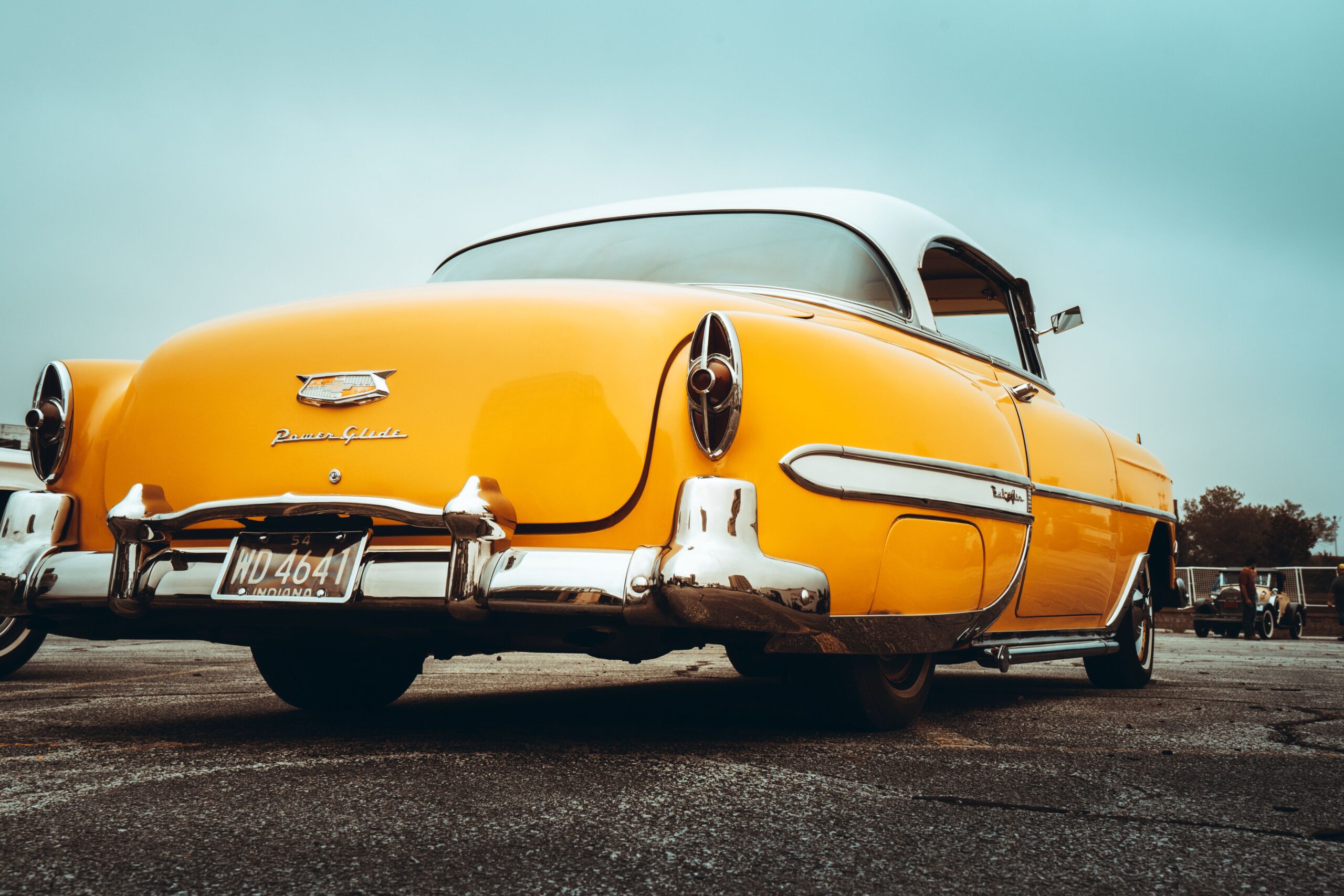
Buying a classic Chevrolet can be an exciting way to own a piece of automotive history. From vintage coupes with distinctive styling to powerful muscle cars and dependable older pickups, Chevrolet has produced vehicles that appeal to collectors, restoration enthusiasts and drivers who appreciate traditional automotive design. However, purchasing an older vehicle requires a different approach than buying a modern car.
Age, maintenance history, replacement parts and overall condition can significantly affect a classic car’s value and usability. Before committing to a purchase, take time to evaluate the vehicle, understand the costs involved and determine whether it suits your goals. Careful preparation can help you choose a classic Chevrolet that delivers lasting enjoyment without unexpected financial surprises.
Determine Which Chevrolet Model Suits Your Goals
Start by identifying what you want from a classic Chevrolet. Some buyers want a weekend cruiser for local drives, while others prefer a restoration project or a collectible vehicle to preserve. Your intended use will influence which model, production year and condition make the most sense.
Chevrolet’s history includes popular models such as the Camaro, Corvette, Chevelle and C10 pickup. Each has distinct characteristics, ownership considerations and enthusiast appeal. A sports car may attract buyers interested in performance and styling, while a vintage truck might appeal to someone who values utility and a traditional design.
Research the production years that interest you and learn about their original specifications. Changes in engines, transmissions, body styles and available features may make two vehicles bearing the same model name substantially different. Defining your priorities early helps narrow your search and prevents attractive styling from overshadowing practical considerations.
Establish a Realistic Budget
The purchase price represents only part of the cost of owning a classic vehicle. Older cars may need mechanical repairs, replacement components, paintwork or interior refurbishment before they are ready for regular use.
Create a budget that accounts for the vehicle’s price, inspection expenses, registration, insurance, storage and anticipated maintenance. If you plan to restore the car, obtain estimates for major work before buying it. Labor costs can add up quickly when a project involves engine rebuilding, rust repair or specialized bodywork.
It is also wise to maintain a financial reserve for unexpected problems. Even a vehicle advertised as road-ready may require attention once it receives a thorough inspection.
When comparing listings, avoid assuming that the most expensive car is automatically the best investment. Condition, documentation, originality and demand for the specific model all influence value. Focus on the vehicle’s overall merits rather than making a decision based on price alone.
Inspect the Vehicle’s Condition Carefully
A classic Chevrolet’s appearance may not reveal its underlying mechanical condition. Fresh paint and polished chrome can make a vehicle look impressive, but they do not establish that its engine, transmission or structural components are sound.
Inspect the body for rust, particularly around the floor pans, wheel arches, trunk, frame and lower sections of the doors. Structural corrosion can be expensive to repair and may affect the vehicle’s safety. Look for uneven panel gaps, inconsistent paint finishes or signs of previous collision damage.
Under the hood, check for fluid leaks, damaged hoses, deteriorated wiring and signs of improvised repairs. Examine the interior for worn upholstery, damaged gauges and missing trim pieces. Ask whether the engine starts easily and whether the vehicle has been driven recently.
Because classic vehicles differ substantially in design and condition, consider hiring a mechanic experienced with older Chevrolet models. A professional inspection can identify concerns that may not be obvious during a brief viewing.
Review the Vehicle’s History and Documentation
Documentation helps establish what you are buying. Request the title, available maintenance records, restoration receipts and any paperwork showing previous ownership. Confirm that the vehicle identification number (VIN) matches the relevant documents and that there are no unresolved title issues.
For older models, decoding the VIN and other identification markings may help verify production details. However, the information available varies by model year, and a VIN alone may not establish every aspect of a vehicle’s history.
Ask whether the car retains its original engine, transmission and major components. Some buyers value factory originality, while others prefer vehicles with documented upgrades for improved drivability. Neither approach is automatically preferable, but modifications should be understood before purchase.
For example, someone browsing listings through Classic Chevrolet of Denison as a sample dealership name should still verify each vehicle’s documentation, condition and specifications individually. A seller’s reputation may be useful, but it does not replace an independent assessment of the specific car.
Consider Parts Availability and Repair Expertise
Some classic Chevrolet models benefit from extensive enthusiast communities and broad aftermarket parts support. Other vehicles, particularly rare trims or limited-production models, may require more effort to maintain.
Before buying, research the availability and cost of essential components such as brake parts, suspension pieces, electrical components, interior fittings and engine accessories. Determine whether replacement parts are readily available or require specialist suppliers.
Restoration work may also demand skills that differ from those used on modern vehicles. Carburetor tuning, older ignition systems, drum brakes and period-specific electrical arrangements can require a mechanic familiar with the technology.
Finding a suitable repair shop before purchasing the vehicle can help you estimate maintenance costs and avoid difficulties when specialized work becomes necessary.
Evaluate Safety and Everyday Usability
Classic cars were built to the standards and technologies of their time. Depending on the model, they may lack modern features such as electronic stability control, advanced airbag systems and contemporary crash protection.
Consider whether you intend to drive the vehicle regularly or keep it mainly for shows and occasional outings. Check the condition of the brakes, steering, suspension, tires, lights and seat belts where fitted. If modifications are present, ask whether they were installed properly and comply with applicable regulations.
Insurance and registration requirements may differ for classic vehicles, especially if they qualify for collector-car coverage or restricted-use registration. Confirm the relevant conditions before driving the car on public roads.
Make an Informed Purchase
Buying a classic Chevrolet requires patience, research and a clear understanding of your priorities. By comparing models, setting a complete budget, reviewing documentation and arranging a professional inspection, you can reduce uncertainty before committing to a purchase.
The right vehicle is not necessarily the rarest or most expensive one. It is the Chevrolet whose condition, history, maintenance needs and driving characteristics match your expectations. Taking time to evaluate these factors helps you choose a classic car you can appreciate for years to come.
