

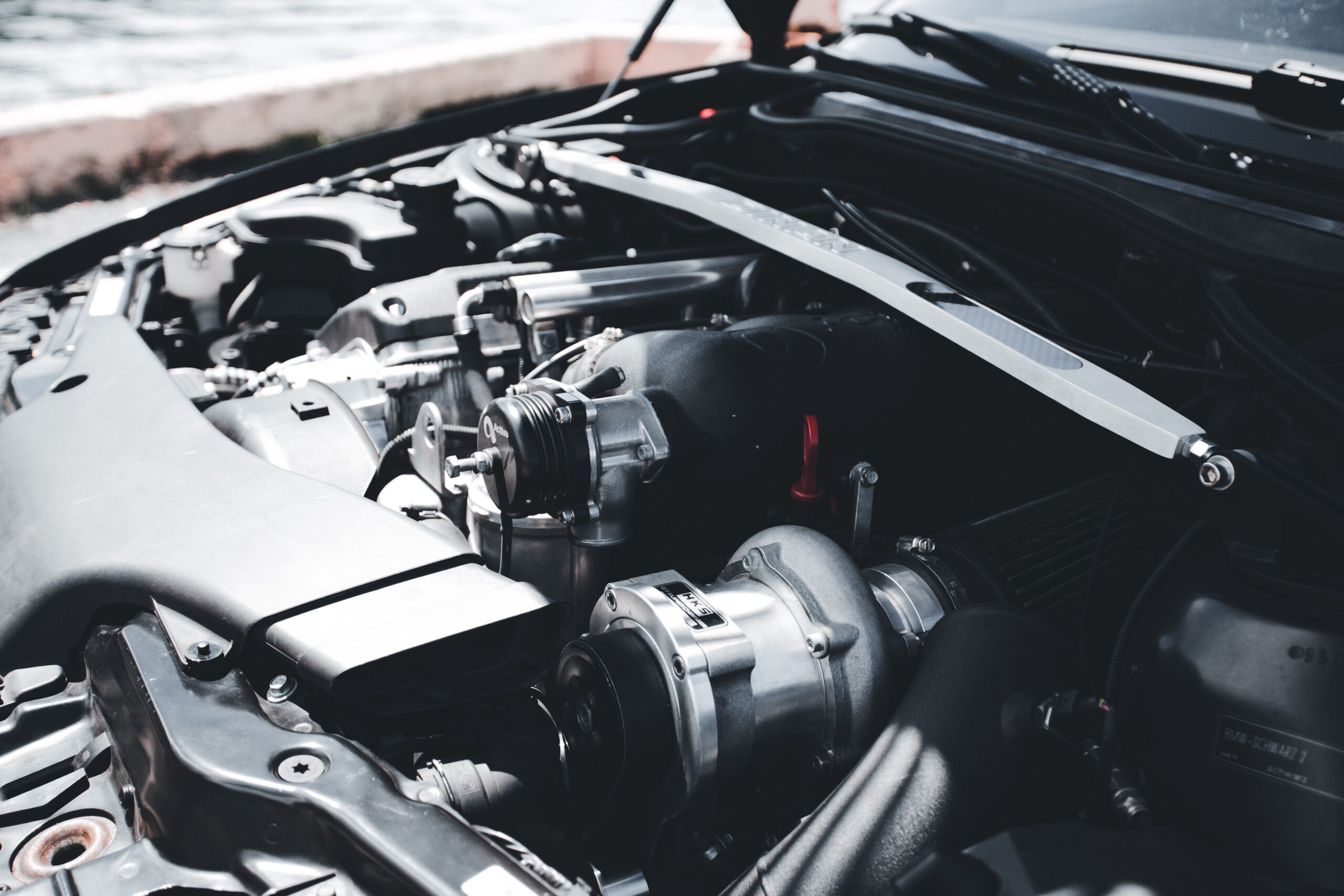
Unlocking the full power potential of a heavy duty engine requires a solid grasp of forced induction dynamics. Drivers often search for reliable ways to increase pulling power without sacrificing long term reliability. Knowing how air moves through the intake tract changes the way enthusiasts approach power modifications. Mastering these airflow principles allows truck owners to achieve maximum performance while protecting vital engine components.
Exploring the Fundamental Mechanics of Boost Pressure
Boost pressure refers to the extra compressed air that an intake manifold receives above normal atmospheric levels. When an engine forces denser air into the combustion chambers, the system can efficiently burn larger amounts of fuel. This efficient chemical reaction generates immense cylinder force, which translates directly into raw output at the rear wheels. Higher boost levels ultimately allow even smaller displacement engines to perform like much larger powerhouses.
Without forced induction, a heavy power plant relies solely on natural atmospheric suction to pull air into the cylinders. Forced air systems change this dynamic by cramming oxygen molecules tightly together before the intake valves open. That dense charge allows the engine to create massive low end torque during heavy towing tasks.
Balancing Air Flow Ratios for Maximum Horsepower
Generating real power requires finding the exact balance between compressed oxygen and atomized fuel delivery. Simply cramming excessive amounts of air into the cylinders without increasing fuel volume results in sluggish overall performance. Conversely, dumping excessive fuel into the combustion chamber without adequate air creates thick black smoke and dangerously high exhaust temperatures.
Modern electronic management systems continuously monitor intake volume and adjust fuel delivery on the fly. Upgrading fuel injectors alongside air delivery modifications ensures the combustion process stays clean and powerful. Drivers who balance both elements enjoy massive gains in mid range acceleration and overall towing capability.
Managing Heat and Air Density for Peak Performance
Compressing atmospheric air naturally generates high temperatures, which reduces the density of the incoming oxygen charge. Hot air contains fewer oxygen molecules per cubic foot, meaning less potential energy during combustion.
Installing an efficient intercooler lowers intake temperatures before the compressed air charge enters the engine block. Cooler air allows engine tuners to safely increase boost levels without risking internal engine damage. Maintaining these lower thermal conditions also preserves overall fuel efficiency while protecting sensitive internal components from heat fatigue.
Intercoolers act like radiator systems for intake air, shedding unwanted heat created during high compression cycles. Keeping intake temperatures low keeps horsepower levels consistent, even while hauling heavy loads up steep mountain grades on summer days.
Upgrading Essential Hardware to Handle Higher Pressure
Stock engine components are built to handle factory performance levels, but higher performance demands stronger hardware. Factory charge pipes made from plastic can expand or burst when subjected to elevated pressure spikes. Replacing restrictive factory piping with mandrel bent aluminum tubing ensures smooth, uninterrupted airflow straight into the intake manifold.
Upgrading the primary forced induction unit represents another critical step toward reaching ambitious performance goals. Many truck owners choose a heavy duty diesel turbocharger to deliver reliable pressure gains across a wide operational powerband. Stronger wastegate actuators also help prevent unwanted pressure bleed, keeping the intake charge steady when working under full load.
Preventing Overboost and Common Mechanical Failures
Pushing intake pressure beyond safe operational limits can quickly lead to severe mechanical failures under the hood. Head gaskets can fail under extreme cylinder pressure, causing internal coolant leaks and sudden power loss. Installing high strength head studs helps clamp the cylinder head down tightly against the engine block to prevent head gasket failure.
Monitoring real time performance levels with reliable gauges allows drivers to catch sudden pressure spikes early. Installing a mechanical blow off valve or electronic bypass system protects sensitive intake components from harmful pressure waves when letting off the accelerator. Proactive maintenance and sensible driving habits ensure upgraded engines remain reliable for hundreds of thousands of miles.
Reaching Long Term Performance Goals Safely
Maximizing output through controlled air compression transforms a standard work truck into an absolute towing powerhouse. Paying close attention to air density and thermal management ensures every modification yields noticeable performance gains. When drivers balance increased intake airflow with proper fuel delivery and mechanical upgrades, the engine operates at peak efficiency. Following these core mechanical principles allows enthusiasts to enjoy impressive performance gains while maintaining everyday reliability.
