

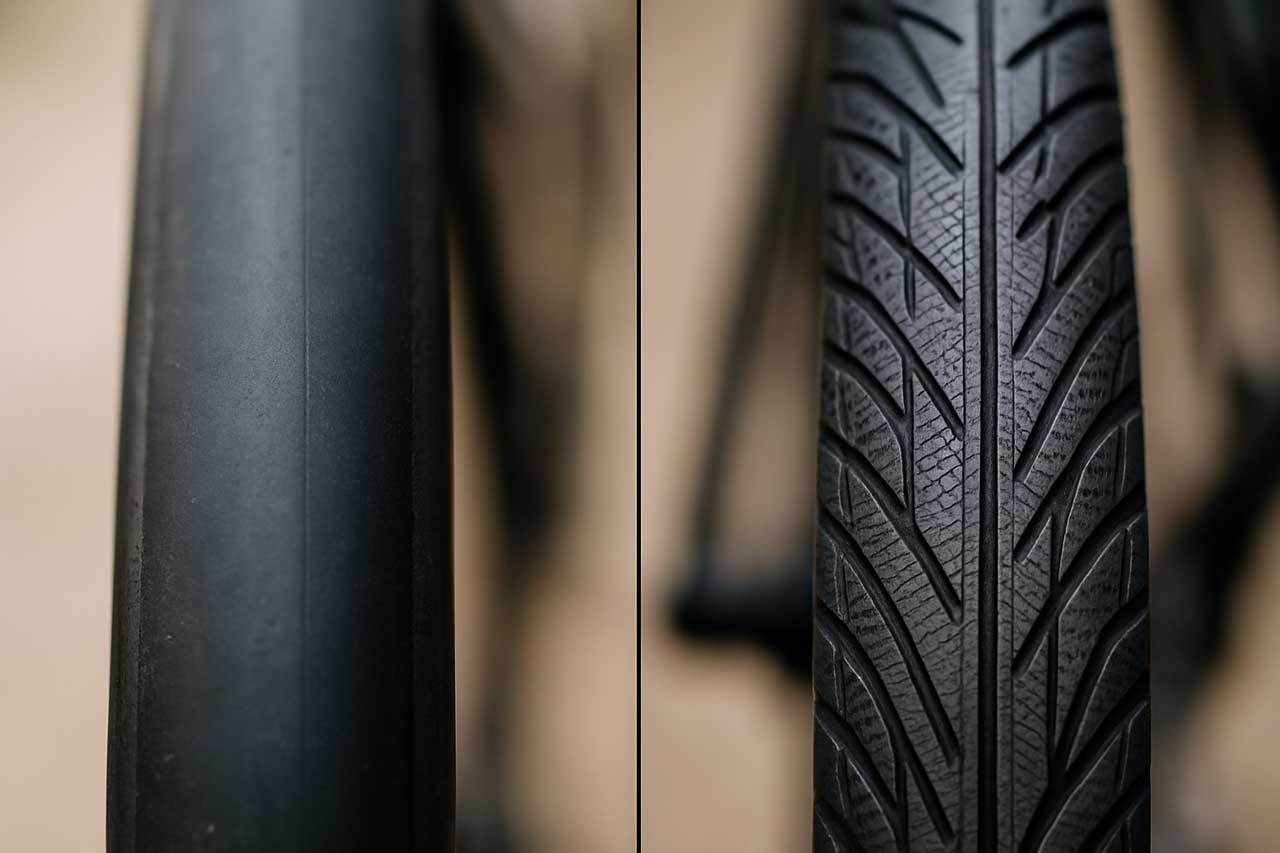
When it comes to maximizing performance on the track, tire choice can make or break your experience. One of the most common debates among track enthusiasts is between slick tires and treaded tires. If you’ve ever wondered which option suits your driving style, track conditions, and goals, this guide will help you make a confident decision.
Understanding the Basics
Before diving into comparisons, it’s important to understand what sets these two tire types apart.
What Are Slick Tires?
Slick tires are completely smooth, with no tread pattern. This design maximizes the amount of rubber in contact with the track surface, delivering superior grip in dry conditions. They are commonly used in professional motorsports and serious track environments where performance is the top priority.
What Are Treaded Tires?
Treaded tires, on the other hand, feature grooves and patterns designed to channel water away from the tire surface. These are the tires you typically see on road cars and many track-day vehicles. They are more versatile and can handle a wider range of conditions.
Key Differences Between Slick and Treaded Tires
1. Grip and Performance
Slick tires offer unmatched grip on dry tracks. With no grooves interrupting the contact patch, they provide maximum traction, allowing for faster cornering speeds and shorter braking distances. This is why they dominate professional racing.
Treaded tires provide less overall grip in dry conditions but still perform well, especially high-performance track-focused variants. However, their real advantage appears in mixed or wet conditions.
2. Performance in Wet Conditions
This is where treaded tires clearly outperform slicks. The grooves in treaded tires disperse water, reducing the risk of hydroplaning and maintaining traction.
Slick tires, however, become extremely dangerous in wet conditions. Without tread to channel water, they lose grip quickly and can make the car unpredictable.
3. Warm-Up Time
Slick tires typically require proper warm-up to reach optimal performance. Until they reach the right temperature, grip can be limited.
Treaded tires generally heat up faster and are more forgiving, making them a better choice for beginners or casual track-day drivers.
4. Durability and Wear
Slick tires tend to wear out faster, especially if not used within their ideal temperature range. They are designed for performance, not longevity.
Treaded tires last longer and provide more consistent performance over time, making them a more cost-effective option for frequent track-day participants.
5. Street Legality
Slick tires are not street-legal in most regions. They are strictly for track use.
Treaded tires are road-legal, allowing you to drive to and from the track without needing to swap tires.
When Should You Choose Slick Tires?
Slick tires are the right choice if:
- You are driving in consistently dry track conditions
- You want maximum performance and lap time improvement
- You have experience managing tire temperatures and grip levels
- You use a dedicated track car
If your goal is to push limits and achieve the fastest possible lap times, slicks are hard to beat.
When Should You Choose Treaded Tires?
Treaded tires are ideal if:
- You expect varying weather conditions
- You are new to track driving
- You want a balance between performance and safety
- You drive the same car on the road and track
They offer a more forgiving and versatile driving experience, especially for those still building confidence on track.
Cost Considerations
While slick tires deliver top-tier performance, they often come at a higher cost due to faster wear and limited usability.
Treaded tires, particularly endurance or track-day-focused models, provide better value over time. You can use them for more sessions and in a wider range of conditions.
Skill Level Matters
Your experience level plays a major role in tire selection. Slick tires demand precise driving and proper tire management. Without that, you may not fully benefit from their capabilities.
Treaded tires, by contrast, allow more margin for error and help drivers learn car control without the sharp drop-off in grip that slicks can have.
Final Verdict
There’s no one-size-fits-all answer when choosing between slick and treaded tires. It ultimately comes down to your goals, experience, and track conditions.
If you’re chasing peak performance in dry conditions and have the skill to handle them, slick tires are the ultimate choice. But if you want versatility, safety, and consistency across different conditions, treaded tires are the smarter option.
For most track-day drivers, starting with high-performance treaded tires and transitioning to slicks as skills improve is a practical and effective approach.
