

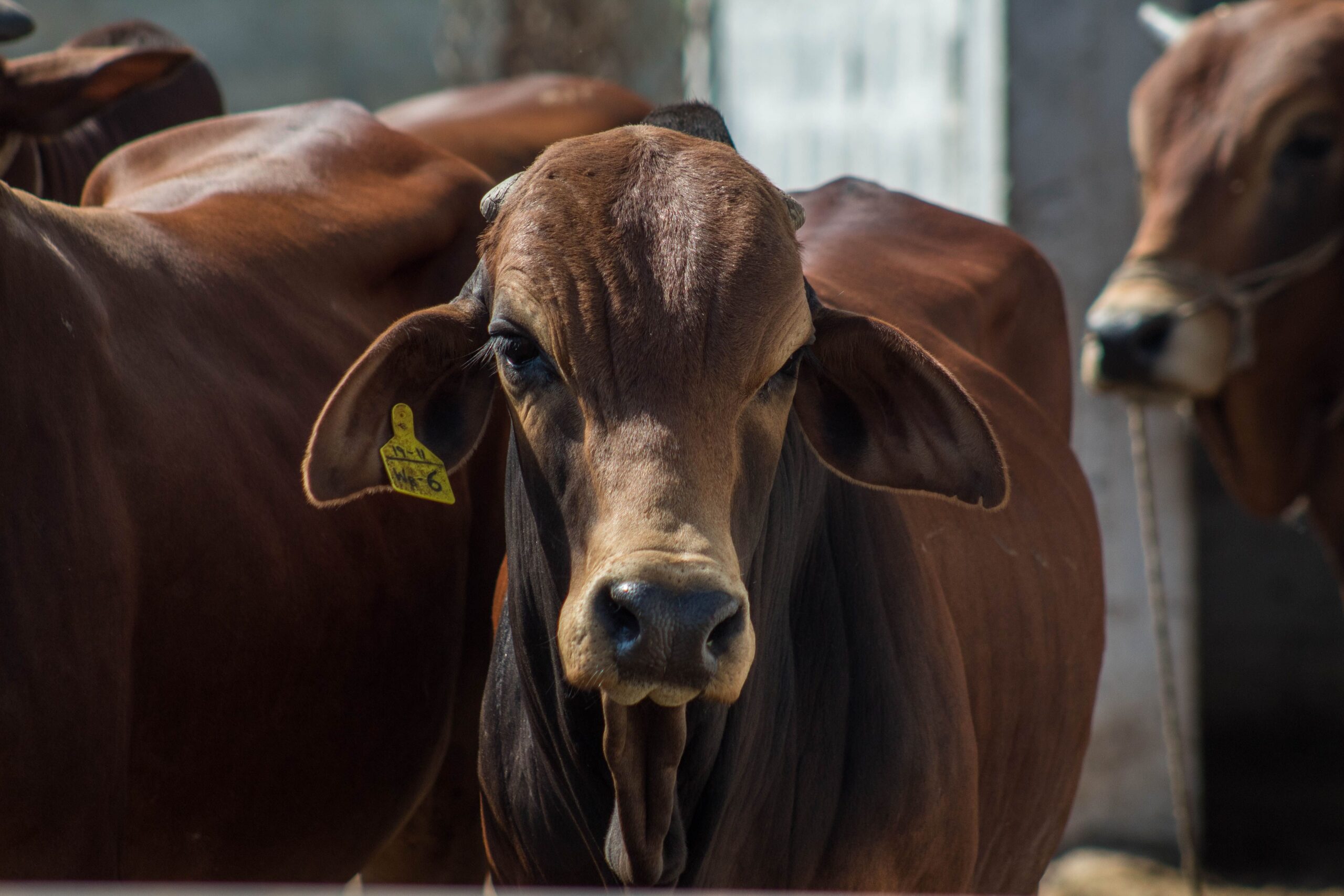
Raising healthy livestock comes with hidden challenges because lush pasture grass quickly loses its nutritional value as weather shifts. Even when grazing cattle look full and satisfied, they may be missing key nutrients required for optimal body function. These seasonal mineral deficiencies often sneak up on producers, since small drops in energy or weight gain go unnoticed during busy transitions. Taking proactive steps to monitor pasture quality ensures that cattle remain strong and productive regardless of the season.
Understanding How Seasons Change Pasture Quality
Fast-growing spring pastures often lack essential minerals like magnesium and calcium because rapid water uptake dilutes key nutrients. As late summer heat turns grass brown and mature, protein levels drop and the forage becomes much harder for cattle to digest properly.
Winter brings the most drastic drop in natural pasture nutrition across most American grazing regions. Frozen or dormant pastures offer very little beyond basic roughage to keep the stomach moving. Ranchers often rely on stored hay during these months, but hay loses a significant portion of its vital vitamins and minerals the longer it sits in storage.
Recognizing Early Indicators of Mineral Deficiencies
One of the first things a producer might notice is a dull coat or unusual rough patches on the hide. Hair loss and color changes often indicate that a herd is missing essential trace elements. Behavioral shifts can also signal a problem when cattle appear unusually sluggish or begin chewing on dirt and fence posts. Watching for these small visual clues allows ranchers to take action quickly.
Subtle reproductive and growth delays are another clear sign that pasture forage is not delivering complete nutrition. Cows may take longer to breed back during the spring season or calves might fail to gain weight at a steady pace.
Paying close attention to day-to-day feeding habits offers additional insight into overall herd health. When cattle pass up fresh forage or linger near mineral feeders their bodies are signaling an unmet need. Catching these subtle indicators early helps protect the whole herd from long-term health setbacks.
Exploring Effective Options for Herd Free-Choice Feeding
Providing free-choice options is one of the most reliable methods for ensuring animals receive consistent nutrition. Loose minerals placed in weather-resistant feeders allow individual animals to consume what they need based on their instinctual cravings. Placing these feeding stations near water sources or shaded gathering spots encourages regular visits throughout the day. Hardened mineral blocks, injectable treatments, and slow-release boluses offer additional ways to ensure that every animal in the herd stays properly balanced throughout the changing seasons.
Selecting Proper Products for Specific Seasonal Needs
Choosing the right herd nutrition strategy requires matching products to the exact time of year and pasture conditions. High-magnesium formulas are critical during the wet spring months when rapid grass growth threatens magnesium levels. Switching to high-phosphorus formulas during dry late-summer periods helps offset the nutritional decline seen in mature pastures.
Certain times in a herd’s life cycle demand specialized support to keep animals performing at their best. Lactating cows and growing calves require far more calcium and trace elements than dry cows resting during the off-season. Utilizing targeted cattle supplements helps bridge these dietary gaps, especially during stressful periods like weaning or extreme winter cold snaps. Proper product selection ensures every group receives tailored nourishment throughout the year.
Managing Pastures to Maximize Natural Nutrition
Performing regular soil tests and applying targeted fertilizers helps pasture grass absorb more natural minerals through its roots. Rotating grazing areas prevents overgrazing while giving fields time to rest and grow deeper roots that draw trace elements from the subsoil. Managing weeds further protects overall forage quality, ensuring livestock receive better nutrition directly from the pasture.
Conclusion
Protecting pasture cattle against seasonal mineral deficiencies is an ongoing process that requires careful observation, smart planning, and timely action. By understanding how forage changes throughout the year, recognizing early warning signs, and maintaining high-quality pasture lands, cattle producers can safeguard their herd’s long-term health and productivity. Proactive management not only keeps cattle strong through every season but also provides peace of mind for the hard-working folks who care for them.
