

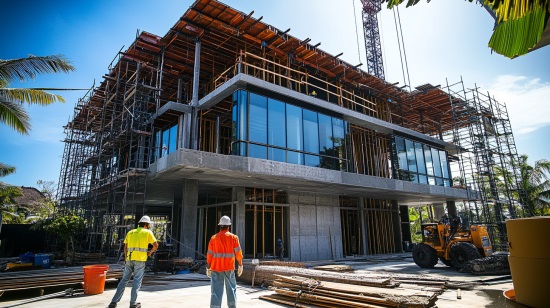
As Lombok continues to grow as one of Indonesia’s most promising development hotspots, 2026 brings a new wave of regulations, expectations, and opportunities for builders and investors. Whether you are planning a private villa, a resort, or a commercial space, understanding the latest rules is critical for success. The landscape of construction lombok is evolving rapidly, shaped by sustainability goals, stricter zoning, and modern infrastructure demands.
This guide breaks down the essential rules you need to follow to stay compliant, competitive, and future-ready.
1. Stricter Zoning and Land Use Regulations
One of the biggest changes in 2026 is tighter zoning enforcement. Authorities are now more vigilant about how land is used, especially in high-demand coastal and tourism areas.
Developers must ensure that their projects align with designated land-use categories such as residential, tourism, or mixed-use zones. Building outside approved zones can result in heavy penalties or even demolition orders.
For anyone involved in construction lombok, this means conducting proper due diligence before purchasing land. Always verify zoning certificates and consult local planning offices to avoid costly mistakes.
2. Mandatory Environmental Compliance
Sustainability is no longer optional. In 2026, environmental regulations have become stricter, requiring developers to minimize ecological impact.
Projects must now include:
-
Environmental impact assessments (AMDAL or UKL-UPL)
-
Waste management plans
-
Water conservation systems
In coastal regions, special attention is given to protecting marine ecosystems and preventing erosion. Builders in the construction lombok sector are increasingly expected to adopt eco-friendly materials and renewable energy solutions to meet these standards.
3. Updated Building Permit System (PBG)
Indonesia’s transition from IMB (Building Permit) to PBG (Persetujuan Bangunan Gedung) is now fully enforced in Lombok. This system focuses more on technical compliance and safety standards.
To obtain approval, developers must submit:
-
Detailed architectural and structural plans
-
Proof of land ownership
-
Compliance with spatial planning regulations
The process is more transparent but also more rigorous. For construction lombok projects, working with experienced local consultants can significantly speed up approvals and reduce errors.
4. Infrastructure Integration Requirements
New developments are now required to integrate with existing and planned infrastructure. This includes road access, drainage systems, and utility connections.
Authorities may reject projects that:
-
Overload existing infrastructure
-
Lack proper access roads
-
Fail to provide adequate parking or drainage
This rule is especially important for large-scale construction lombok developments like resorts or housing complexes. Proper planning ensures not only compliance but also long-term usability and value.
5. Local Workforce and Community Involvement
In 2026, there is a stronger push to involve local communities in development projects. Regulations encourage or require developers to hire local workers and contribute to community development.
This includes:
-
Prioritizing local labor
-
Supporting nearby businesses
-
Respecting cultural and social norms
For construction lombok, this approach helps build goodwill, reduces conflicts, and aligns projects with regional development goals.
6. Increased Focus on Disaster-Resilient Design
Lombok is located in a seismically active region, making earthquake-resistant construction a top priority. New rules emphasize stronger structural standards and safer building practices.
Developers must:
-
Use certified structural engineers
-
Follow updated seismic design codes
-
Conduct soil and foundation analysis
Modern construction lombok projects are expected to combine safety with innovation, ensuring buildings can withstand natural risks while maintaining aesthetic appeal.
7. Digital Compliance and Monitoring
Technology is playing a bigger role in construction oversight. In 2026, many permits, inspections, and reports are handled through digital platforms.
Authorities now monitor:
-
Project progress
-
Compliance with approved plans
-
Environmental commitments
For businesses in construction lombok, this means maintaining accurate digital records and being prepared for real-time inspections.
Conclusion
The rules shaping Lombok’s construction industry in 2026 reflect a broader shift toward sustainability, safety, and smart development. While these regulations may seem more demanding, they ultimately create a more stable and attractive environment for investment.
By understanding and adapting to these new requirements, developers can position themselves for long-term success in the evolving construction lombok market. Careful planning, local collaboration, and a commitment to quality will be the key pillars of thriving in this new era.
