

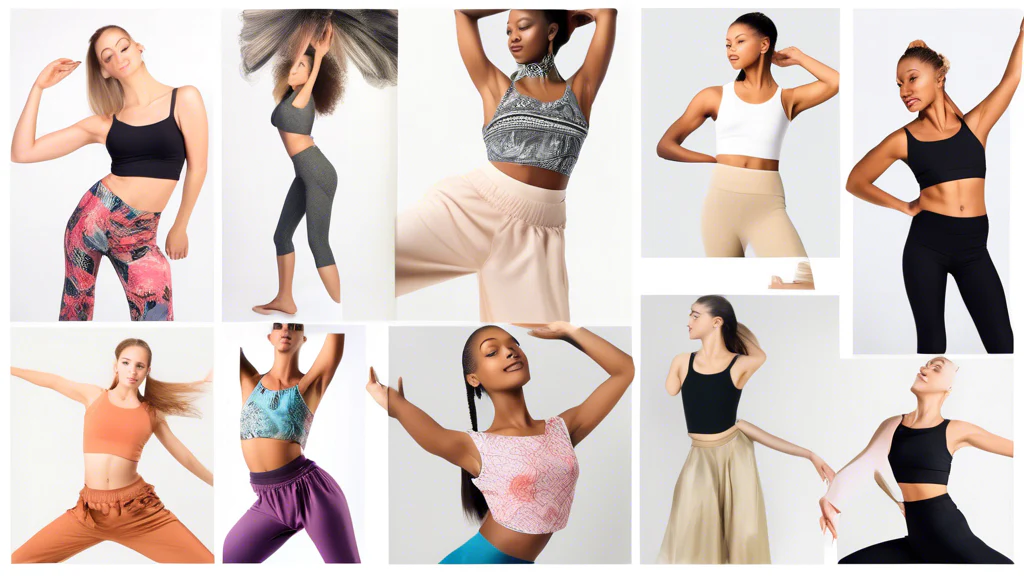
Few pieces of dancewear have made as strong a transition from functional training staple to defining style statement as the crop top. Whether worn during a high-energy hip-hop class, layered over a leotard at the barre, or styled for a competition warm-up, dance crop tops have earned a permanent place in the wardrobes of dancers across disciplines, age groups, and training environments. Their appeal is not simply aesthetic — it reflects a genuine alignment between what modern dancers need functionally and what the contemporary dance community expects stylistically. Understanding why they work so well, and what separates a quality piece from an ordinary one, is where better buying decisions begin.
The Rise of the Dance Crop Top in Studio Culture
The crop top is not a new concept in dancewear — abbreviated training tops have been worn in studios for decades — but the category has evolved significantly in both design sophistication and cultural relevance. What was once primarily a practical response to warm training environments has become one of the most expressive pieces in a dancer’s wardrobe.
Several forces have driven this shift. The growing influence of dance content across social platforms has elevated the visual dimension of studio culture, placing greater emphasis on how training looks alongside how it performs. Simultaneously, the boundaries between dancewear, activewear, and everyday style have become increasingly porous — dancers who train in crop tops carry that aesthetic beyond the studio, and brands have responded with designs that function confidently in both contexts.
What Makes a Dance Crop Top Functionally Different
Not every crop top is designed with the demands of dance in mind, and the difference is immediately apparent to anyone who has trained seriously in both purpose-built dancewear and generic activewear.
A quality dance crop top is constructed for a specific range of motion: the reaching, arching, floor work, and overhead extensions that dance involves across styles and disciplines. Fabric selection matters considerably — materials offering four-way stretch, moisture management, and recovery are standard expectations in performance-grade dancewear, not optional extras. Necklines, strap configurations, and hem lengths are engineered to stay in place through movement rather than shifting, riding up, or restricting the arm and torso range that dance demands.
Construction quality at the seams is equally critical. Dance involves repetitive, high-range movements that stress every seam consistently — tops that look fine on a hanger can reveal structural weaknesses within the first training session when worn by someone moving at full range.
Style Versatility Across Dance Disciplines
One of the enduring strengths of the dance crop top as a category is its genuine versatility across styles that carry quite different aesthetic expectations.
In contemporary and lyrical dance, fitted or softly draped crop tops worn with high-waisted leggings or shorts create the elongated, expressive silhouette that suits expansive, fluid movement vocabulary. In hip-hop and street styles, relaxed cuts with graphic elements or bold colorways align with the genre’s visual conventions. Jazz and commercial dance environments favor fitted, visually striking pieces that read clearly under stage lighting. Barre and dance fitness settings have embraced the crop top as functional athleisure — versatile enough for a training session and polished enough to wear beyond it.
This range is a significant part of why the category has grown so consistently across the market. A well-chosen selection of dance crop tops can serve almost every training environment a serious dancer moves through.
What to Look for When Choosing
For dancers with genuine training needs, several factors distinguish pieces worth investing in from those that prioritize appearance at the expense of performance.
Fabric composition should be the first consideration. Four-way stretch and moisture-wicking properties are functional requirements in quality dancewear, not simply marketing language. Fit should allow a complete range of arm and torso movement without the hem lifting excessively or the neckline shifting under active conditions — something that requires assessing how a cut is designed for movement rather than how it looks at rest.
Color and print durability matter for dancers who perform or compete. Pieces that fade or distort after repeated washing do not hold their value across a full training season. Reputable dancewear brands publish detailed care instructions for a reason — following them consistently is one of the most practical ways to extend the life and appearance of any piece in your wardrobe.
Styling from Studio to Stage and Beyond
Part of the lasting appeal of the dance crop top is how naturally it transitions across contexts. Paired with high-waisted dance shorts or leggings, it creates a complete, pulled-together training look. Layered under an open jacket or worn alongside wide-leg trousers, the same piece moves into casual territory without effort or compromise.
For stage and competition contexts, crop tops as part of a styled ensemble — coordinated with complementary bottoms and a unified color palette — deliver a polished, intentional aesthetic that photographs and performs well under professional lighting. The key is treating the piece as part of a complete look rather than an afterthought.
Tiger Friday’s crop top collection is designed with exactly this range of use in mind — pieces built for the physical demands of serious dance training that translate just as confidently to the stage, the warm-up room, and every space a dancer occupies beyond the studio floor.
