

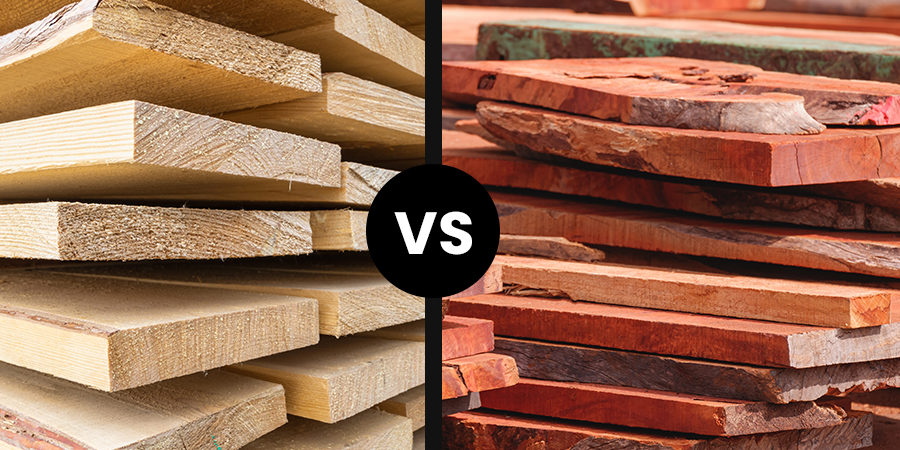
When it comes to building durable and attractive wood fences, choosing the right material is one of the most important decisions you’ll make. Cedar, pine, and redwood are three of the most popular wood options for fencing, each offering its own set of advantages, costs, and maintenance needs. The right choice depends on your budget, climate, aesthetic preference, and how much upkeep you’re willing to handle. Let’s break down each option in detail so you can decide what works best for your property.
Understanding the Basics of Wood Fencing Materials
Before diving into comparisons, it’s helpful to understand that not all wood behaves the same way outdoors. Factors like natural resistance to insects, moisture tolerance, and dimensional stability play a big role in how long your fence will last. While all three options—cedar, pine, and redwood—can be used for wood fences, their performance varies significantly.
Cedar Fences: A Balanced Choice
Cedar is often considered the “sweet spot” for homeowners who want durability without going overboard on cost.
Natural Resistance and Durability
Cedar contains natural oils that help repel insects and resist rot. This makes it a strong candidate for outdoor use, especially in areas with moderate humidity. Unlike some other woods, cedar doesn’t require heavy chemical treatment to survive outdoors.
Appearance and Aging
Fresh cedar has a warm, reddish tone that many homeowners love. Over time, if left untreated, it weathers into a soft gray patina. This aging process doesn’t necessarily weaken the wood but does change its appearance.
Maintenance Requirements
Cedar fences benefit from occasional sealing or staining if you want to preserve their original color. Without maintenance, they’ll still hold up reasonably well but will lose their rich tone.
Cost Consideration
Cedar sits in the mid-range when it comes to pricing. It’s more expensive than pine but generally more affordable than redwood, making it a practical option for many projects.
Pine Fences: Budget-Friendly and Versatile
Pine is one of the most commonly used materials for wood fences, largely because of its affordability and availability.
Pressure-Treated Strength
On its own, pine isn’t naturally resistant to rot or insects. However, most pine fencing is pressure-treated, meaning it’s infused with chemicals to improve durability. This treatment allows pine to withstand outdoor conditions much better than untreated wood.
Appearance and Customization
Pine has a lighter, more neutral color compared to cedar or redwood. This makes it an excellent base for paint or stain, giving homeowners flexibility in achieving their desired look.
Maintenance Needs
Pine fences require more maintenance over time. Even pressure-treated wood can warp, crack, or shrink if not properly sealed. Regular staining or painting helps extend its lifespan and maintain its appearance.
Cost Advantage
If budget is a major factor, pine is usually the most affordable option. It allows you to install wood fences at a lower upfront cost, though long-term maintenance expenses may add up.
Redwood Fences: Premium Quality and Longevity
Redwood is often seen as the high-end choice for wood fencing, offering a combination of beauty and performance.
Exceptional Natural Resistance
Like cedar, redwood contains natural oils that protect it from insects and decay. In many cases, it performs even better, especially in harsh climates. This makes it one of the longest-lasting wood fence materials available.
Rich, Distinctive Appearance
Redwood is known for its deep, rich color and smooth grain. It adds a premium look to any property and is often chosen for upscale landscaping projects.
Stability and Strength
Redwood tends to warp and shrink less than pine, making it more dimensionally stable. This means your fence is more likely to maintain its shape over time.
Higher Cost
The biggest drawback of redwood is its price. It’s typically the most expensive of the three options, which may not fit every budget.
Key Comparison: Cedar vs Pine vs Redwood
Durability
Redwood generally lasts the longest, followed by cedar, then pine (even when treated). If longevity is your top priority, redwood leads the pack.
Maintenance
Cedar and redwood require less maintenance due to their natural resistance. Pine needs more regular care to prevent wear and tear.
Cost
Pine is the most budget-friendly, cedar sits in the middle, and redwood is the premium option.
Appearance
Redwood offers the richest look, cedar provides a warm natural tone, and pine is more neutral and customizable.
Climate Matters More Than You Think
Your local weather plays a big role in how your fence performs. In humid or rainy climates, cedar and redwood tend to hold up better due to their natural resistance to moisture. In drier areas, all three materials can perform well, but pine may require extra care to prevent cracking or splitting.
Which Wood Fence Material Should You Choose?
If you’re looking for a balance between cost, durability, and appearance, cedar is often the best all-around choice. It works well for most residential projects and doesn’t demand excessive maintenance.
If you’re on a tight budget and don’t mind putting in some upkeep, pine is a practical option. It allows you to build wood fences at a lower initial cost while still offering decent performance when properly maintained.
If you want the best in terms of longevity and visual appeal—and you’re willing to invest more—redwood is hard to beat. It’s ideal for homeowners who want a fence that stands out and lasts for years with minimal issues.
Final Thoughts
Choosing between cedar, pine, and redwood ultimately comes down to your priorities. There’s no one-size-fits-all answer, but understanding how each material performs will help you make a smarter investment. Whether you’re focused on budget, durability, or aesthetics, the right choice will ensure your wood fences not only look great but also stand the test of time.
