

Introduction
In recent years, CBD and cannabis have gained significant attention worldwide for their potential health benefits and therapeutic uses. Once surrounded by controversy, these natural compounds are now widely researched and increasingly accepted in both medical and wellness communities. Whether you’re new to the topic or looking to deepen your understanding, this guide covers everything you need to know about CBD and cannabis.
What Is Cannabis?
Cannabis is a plant that has been used for centuries for medicinal, recreational, and industrial purposes. It contains over 100 active compounds known as cannabinoids, which interact with the body’s endocannabinoid system.
The two most well-known cannabinoids are:
- THC (Tetrahydrocannabinol): The psychoactive compound responsible for the “high.”
- CBD (Cannabidiol): A non-psychoactive compound known for its potential therapeutic effects.
What Is CBD?
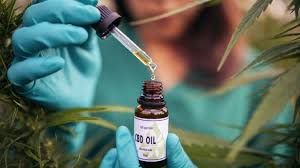
CBD, short for cannabidiol, is one of the most popular compounds derived from the cannabis plant. Unlike THC, CBD does not cause intoxication, making it a preferred option for people seeking relief without the high.
CBD is commonly extracted from hemp, a variety of cannabis that contains very low levels of THC.
Health Benefits of CBD
1. Pain Relief
CBD is widely used to manage chronic pain. It interacts with receptors in the brain and immune system to reduce inflammation and discomfort.
2. Anxiety and Stress Reduction
Many users report that CBD helps reduce anxiety, stress, and even symptoms of depression by promoting a sense of calm.
3. Improved Sleep
CBD may help regulate sleep patterns, making it useful for individuals dealing with insomnia or disrupted sleep cycles.
4. Anti-Inflammatory Properties
CBD’s anti-inflammatory effects make it beneficial for conditions like arthritis and muscle soreness.
5. Neuroprotective Potential
Some studies suggest that CBD may support brain health and could be useful in managing neurological disorders.
Medical Uses of Cannabis
Cannabis, especially strains containing THC, is often used in medical settings for:
- Chronic pain management
- Cancer-related symptoms (nausea and appetite loss)
- Multiple sclerosis
- Epilepsy
- Glaucoma
Medical cannabis is typically prescribed under professional supervision, depending on local laws and regulations.
Different Forms of CBD Products
CBD is available in various forms, making it easy to incorporate into daily routines:
- CBD Oils and Tinctures: Fast absorption and flexible dosing
- CBD Edibles: Gummies, chocolates, and beverages
- CBD Capsules: Convenient and precise dosage
- Topicals: Creams and balms for localized relief
- Vapes: Quick effects but less recommended for beginners
Is CBD Safe?
CBD is generally considered safe for most people. However, some users may experience mild side effects such as:
- Dry mouth
- Fatigue
- Changes in appetite
- Drowsiness
It’s always best to consult a healthcare professional before starting CBD, especially if you are taking other medications.
Legal Status of CBD and Cannabis
The legality of CBD and cannabis varies across countries and regions:
- CBD: Often legal if derived from hemp and contains less than a specified amount of THC
- Cannabis: May be legal for medical or recreational use in some areas but restricted in others
Always check local laws before purchasing or using these products.
CBD vs Cannabis: Key Differences
| Feature | CBD | Cannabis (THC) |
| Psychoactive | No | Yes |
| Usage | Wellness & medical | Medical & recreational |
| Legal Status | More widely accepted | More restricted |
| Source | Hemp or cannabis | Cannabis plant |
Conclusion
CBD and cannabis are transforming the health and wellness landscape, offering natural alternatives for managing a variety of conditions. While CBD is favored for its non-psychoactive benefits, cannabis as a whole provides broader therapeutic applications when used responsibly.
As research continues to evolve, understanding these compounds can help you make informed decisions about their use. Always prioritize quality products and professional guidance to ensure safety and effectiveness.
