

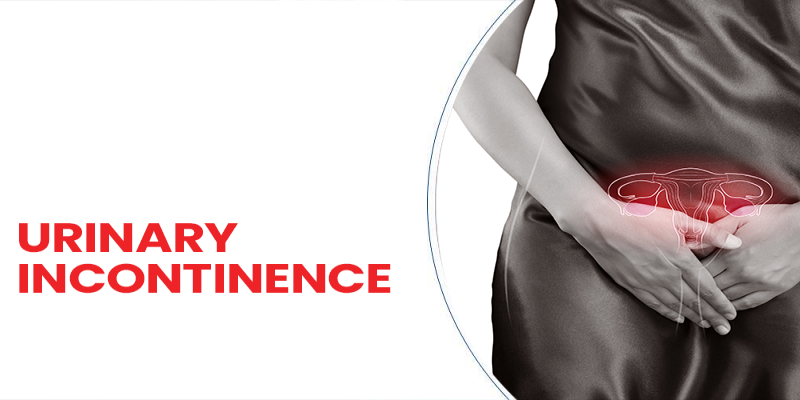
Urge incontinence is a common but often distressing condition that affects bladder control and quality of life. It is closely linked with an overactive bladder, where the bladder muscles contract involuntarily, creating a sudden and intense need to urinate that may lead to leakage before reaching a toilet.
Although it can be disruptive, the good news is that modern urge incontinence treatment approaches are highly effective and range from simple lifestyle adjustments to advanced medical therapies.
Understanding Urge Incontinence
Urge incontinence occurs when the bladder muscle (detrusor muscle) becomes overactive and contracts at inappropriate times. This creates a sudden urgency that is difficult to control.
People with this condition may experience:
- Sudden, strong urges to urinate
- Frequent urination (day and night)
- Inability to reach the toilet in time
- Accidental urine leakage
It can affect both men and women, but it is more common in older adults and women.
Causes and Risk Factors
Several factors can contribute to urge incontinence, including:
- Overactive bladder muscle activity
- Urinary tract infections (UTIs)
- Neurological conditions (such as stroke, Parkinson’s disease, or multiple sclerosis)
- Diabetes and metabolic disorders
- Bladder irritation from caffeine, alcohol, or acidic foods
- Pelvic surgery or hormonal changes
- Age-related changes in bladder function
Often, more than one factor is involved, making individualized urge incontinence treatment essential.
Diagnosis of Urge Incontinence
Doctors typically diagnose the condition using:
- Medical history and symptom review
- Urine tests to rule out infection
- Bladder diaries (tracking urination patterns)
- Ultrasound or imaging tests
- Urodynamic studies to evaluate bladder function
Proper diagnosis helps determine the most effective treatment approach.
Lifestyle Changes in Urge Incontinence Treatment
The first step in managing symptoms is usually lifestyle modification. These simple changes can significantly reduce bladder irritation:
Dietary adjustments
- Reduce caffeine (tea, coffee, energy drinks)
- Avoid alcohol and carbonated drinks
- Limit spicy and acidic foods
Healthy habits
- Maintain a healthy body weight
- Stop smoking
- Prevent constipation with fiber-rich foods
Bladder habits
- Scheduled urination (bladder training)
- Gradually increasing time between bathroom visits
These strategies form the foundation of early urge incontinence treatment.
Pelvic Floor Exercises and Bladder Training
Strengthening pelvic floor muscles helps improve bladder control.
Kegel exercises
These exercises strengthen the muscles that support urination control. Regular practice can reduce leakage and improve bladder stability.
Bladder retraining
This involves training the bladder to hold urine for longer periods by gradually increasing the time between urination attempts.
Together, these approaches are highly recommended as first-line urge incontinence treatment methods.
Medications for Urge Incontinence
If lifestyle changes are not enough, doctors may prescribe medications that relax the bladder muscles or reduce overactivity:
- Antimuscarinic drugs (reduce bladder spasms)
- Beta-3 agonists (help the bladder relax and store more urine)
These medications help reduce urgency, frequency, and leakage.
Advanced Medical Treatments
For more severe cases, additional therapies may be used:
Botox injections
Botulinum toxin is injected into the bladder muscle to reduce overactivity and improve control. Effects usually last several months.
Nerve stimulation therapies
These treatments regulate bladder nerve signals:
- Tibial nerve stimulation (non-invasive sessions near the ankle)
- Sacral neuromodulation (implanted device for long-term control)
Surgery (rare cases)
Surgery is usually considered only when all other urge incontinence treatment options fail.
Managing Urge Incontinence in Daily Life
People can improve their quality of life with supportive strategies such as:
- Using absorbent pads or protective underwear
- Planning bathroom access when going out
- Practicing stress-reducing techniques
- Using skin protection creams to prevent irritation
Emotional support and counseling may also help reduce anxiety or embarrassment associated with symptoms.
When to Seek Medical Help
You should consult a healthcare provider if:
- Symptoms interfere with daily activities
- Leakage becomes frequent or severe
- You experience pain, burning, or blood in urine
- Symptoms suddenly worsen
Early evaluation ensures timely and effective urge incontinence treatment.
Conclusion
Urge incontinence is a manageable condition, not a permanent limitation. With the right combination of lifestyle changes, pelvic exercises, medications, and advanced therapies, most people experience significant improvement.
The key to successful urge incontinence treatment is early diagnosis, consistent management, and choosing a treatment plan tailored to individual needs.
