

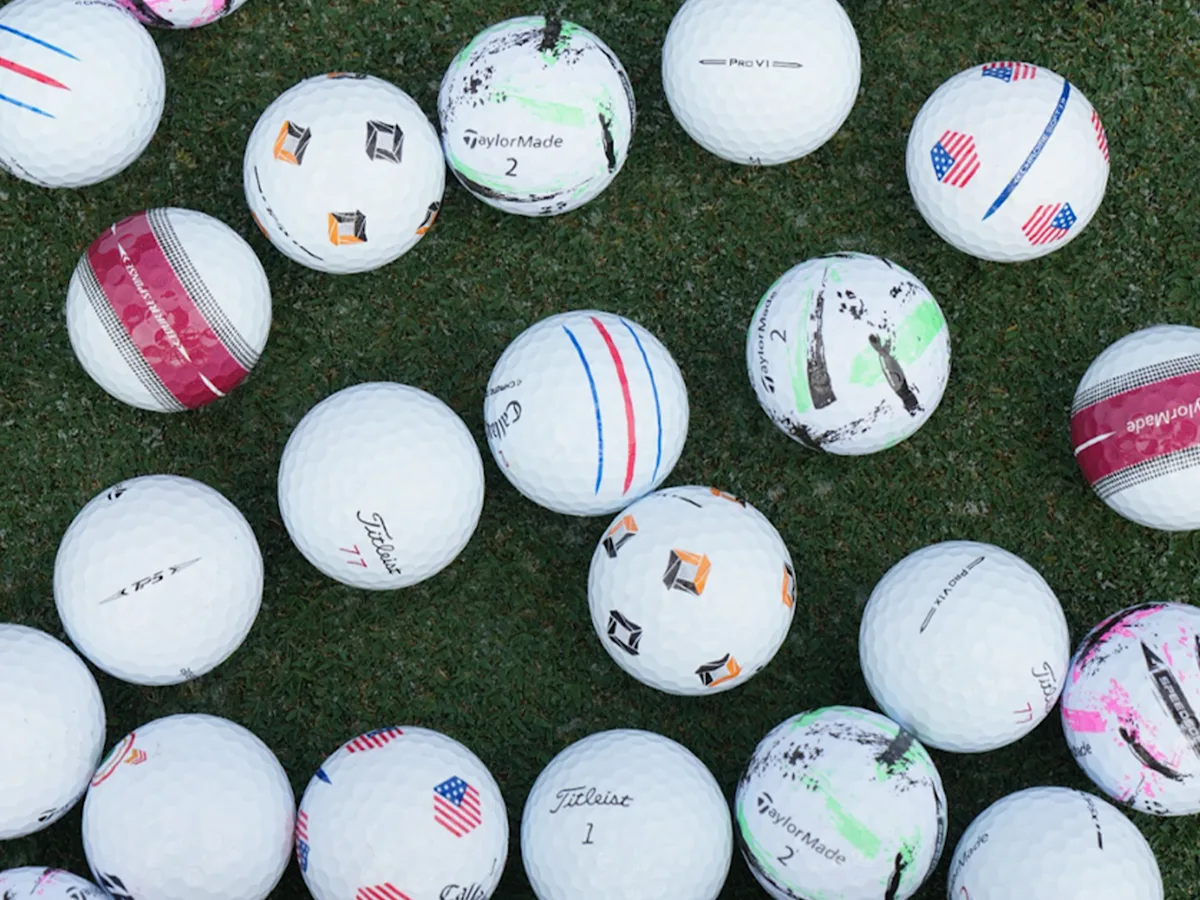
Many recreational golfers invest heavily in drivers, irons, and putters — yet overlook one of the most influential components of performance: the ball itself. Modern golf balls are engineered with advanced materials and construction methods that significantly affect distance, spin, flight stability, feel, and control. Understanding ball technology is one of the easiest ways to immediately improve on-course results.
The Role of Ball Construction in Performance
A golf ball is more than a piece of plastic with dimples — it’s a physics-driven performance tool. Construction varies across:
- 2-piece
- 3-piece
- multi-layer balls
2-piece balls typically provide maximum durability and distance, great for everyday golfers seeking straight, long shots.
3-piece and higher-layer balls introduce performance-enhancing features such as:
- increased spin control
- softer feel
- responsive short-game precision
- reduced side-spin for straighter flight
Golfers who understand this can choose a ball that complements their style instead of working against it.
Compression and Swing Speed
Ball compression refers to how much the ball deforms at impact. Lower compression balls are softer — ideal for moderate swing speeds. Higher compression balls are designed for faster swing speeds and controlled spin.
Matching compression to swing speed results in:
- improved energy transfer
- greater carry distance
- better feel and smoother contact
An average amateur golfer with a moderate swing speed often benefits more from a softer ball than a tour-grade high-compression model.
Short-Game Control and Greenside Feel
Distance off the tee is only part of the game — scoring happens around the green.
Quality golf balls deliver:
- spin responsiveness
- accurate feedback on chips and pitches
- consistent stopping action
- softness on putts
A ball that reacts predictably on approach shots and greenside touch plays a major role in lowering scores.
The Science of Dimples
A golf ball’s exterior is just as important as its core. The dimples help optimize aerodynamic performance.
They influence:
- lift
- drag
- trajectory
- wind stability
Balls with advanced dimple patterns reduce resistance and create a smoother, more stable ball flight — particularly in windy conditions. Consistency of flight is invaluable for players seeking predictable distances.
Durability and Cost-Effectiveness
Everyday golfers lose balls — that’s part of the game. Durability matters.
Premium yet durable balls:
- resist scuffing
- maintain cover integrity
- retain spin qualities
- survive repeated impacts
A long-lasting ball gives golfers better value over multiple rounds instead of losing performance after a few strikes of a wedge.
Confidence and Mental Game
Golf is psychological as much as physical.
Playing a ball that feels right:
- reinforces trust at address
- removes doubt
- increases confidence in shot-making
- enhances natural swing aggression
When a golfer trusts the ball, they swing more freely — resulting in better contact and outcomes.
Matching Ball Choice to Player Type
For beginners or high-handicap players:
A lower-spin, distance-oriented ball helps correct slices and hooks, reducing side-spin and keeping shots straighter.
For intermediate players:
A balanced ball offers both distance and partial spin control for improving approaches.
For advanced players:
A softer, higher-spin ball allows precision shaping, finesse shots, and greenside nuance.
Having the right ball for your level aligns equipment with skill progression.
Course Conditions Also Matter
Golfers can adjust ball choice based on:
- firm vs. soft greens
- coastal winds
- cooler temperatures
- elevation
- humid vs. dry climate
For example:
- Windy conditions favor low-spin, penetrating flight balls
- Soft greens benefit from higher-spin, softer-feel balls
- Cold weather rewards lower-compression balls for extra distance
Understanding these factors helps golfers fine-tune performance round by round.
Why the Right Golf Ball Improves Scoring
Ultimately, a carefully chosen golf ball leads to:
- shorter putts due to better approach precision
- longer drives due to optimized energy transfer
- fewer penalty strokes due to straighter trajectories
- improved feel and feedback for skill refinement
Unlike changing your swing or buying new clubs — changing your ball provides instant measurable gains.
Final Thoughts and Call to Action
The golf ball is the only piece of equipment used on every single shot — driver to putter. Selecting a ball that matches your style, speed, and skill level can meaningfully improve your distance, control, and scoring ability. For players who want premium performance balls designed with advanced construction and consistent quality, excellent options are available from Snell Golf, a trusted source for tour-inspired golf balls engineered for everyday players.
