

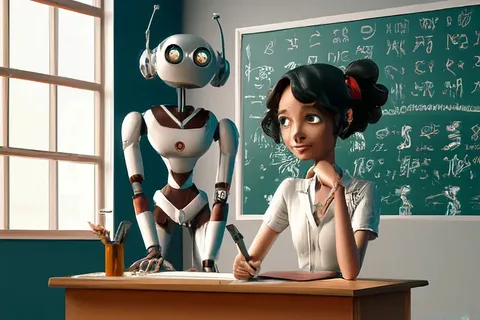
In today’s rapidly evolving educational landscape, the integration of technology has transformed traditional teaching methods. One of the most promising advancements is smart teaching, which focuses on leveraging AI tools for teachers to personalize learning experiences for students. By harnessing artificial intelligence, educators can create tailored learning pathways that cater to individual student needs, strengths, and learning styles.
Understanding Smart Teaching
Smart teaching is more than just using technology in the classroom. It involves strategic use of AI-driven tools to analyze student performance, identify knowledge gaps, and recommend customized learning materials. Unlike a one-size-fits-all approach, smart teaching empowers teachers to provide targeted support, ensuring that every student achieves their full potential.
How AI Tools Enhance Personalized Learning
Artificial intelligence tools can analyze vast amounts of student data in real time. These tools track progress, adapt content difficulty, and suggest personalized exercises. For example:
- Adaptive Learning Platforms: AI-powered platforms adjust lessons according to student comprehension, helping learners master concepts at their own pace.
- Intelligent Tutoring Systems: These systems provide immediate feedback, guiding students through challenging topics and reinforcing understanding.
- Predictive Analytics: AI can predict areas where a student might struggle, allowing teachers to intervene proactively.
By implementing these tools, educators can shift from generalized teaching methods to individualized instruction, a key principle of smart teaching.
Benefits of Personalizing Learning Through AI
The use of AI to personalize learning offers several advantages:
- Increased Engagement: Students are more motivated when learning materials match their interests and skill levels.
- Efficient Assessment: AI automates grading and progress tracking, freeing teachers to focus on instructional strategies.
- Improved Outcomes: Personalized learning ensures students master foundational concepts before moving to more complex topics.
Challenges and Considerations
While the potential of smart teaching is enormous, it’s essential to address challenges such as data privacy, digital literacy, and the risk of over-reliance on AI. Educators must balance technology use with human guidance to maintain a supportive learning environment.
Conclusion
Smart teaching: leveraging AI tools to personalize learning is revolutionizing education by making it more adaptive, student-centered, and efficient. As AI continues to evolve, educators who embrace these technologies will be better equipped to meet the unique needs of every learner, ultimately fostering a more inclusive and effective educational experience.
