

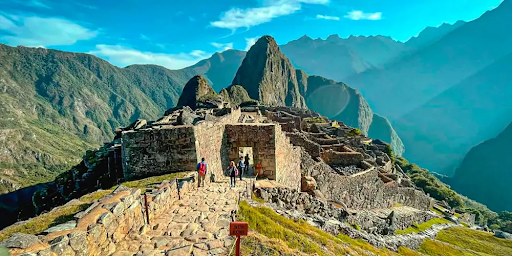
A Machu Picchu day trip by train offers the perfect solution for travelers seeking to experience Peru’s most iconic archaeological site without committing multiple days to the excursion. This efficient approach maximizes your time at the ancient citadel while returning you to Cusco the same evening, allowing you to maintain your accommodation base and continue exploring other Peruvian destinations. Understanding how to optimize this condensed itinerary ensures you capture the full magic of Machu Picchu despite time constraints.
Why Choose a Day Trip Format
The Machu Picchu day trip by train format appeals to a diverse range of travelers for compelling reasons. Time-efficient visitors on broader South American itineraries appreciate completing this bucket-list experience in a single day, freeing subsequent days for destinations like Lake Titicaca, the Amazon rainforest, or coastal Peru. Business travelers with limited vacation time find day trips particularly valuable, allowing them to witness Machu Picchu without extending their absence from work.
Budget considerations also favor day trips since they eliminate overnight accommodation expenses in Aguas Calientes, where hotels command premium rates due to limited competition and captive tourist audiences. While you’ll still pay for Cusco lodging, maintaining a single accommodation base proves more economical than paying for rooms in multiple locations simultaneously. For families or group travelers, these savings multiply significantly across multiple rooms.
Some travelers simply prefer returning to familiar hotel rooms after long, active days. The comfort of knowing your belongings remain secure in one location, having established relationships with hotel staff, and not managing luggage transfers between destinations reduces stress. A Machu Picchu day trip by train provides adventure during daylight hours while offering the psychological comfort of returning “home” to your Cusco base each evening.
Typical Day Trip Timeline
Understanding the standard timeline for a Machu Picchu day trip by train helps travelers prepare mentally and physically for the demanding but rewarding schedule. Most itineraries begin with hotel pickup between 4:00 and 5:00 AM, ensuring arrival at the train station with adequate buffer time before departure. While these early starts challenge night owls, they prove essential for maximizing time at Machu Picchu and experiencing the site during optimal conditions.
The drive from Cusco to Ollantaytambo takes approximately 90 minutes, passing through the Sacred Valley as dawn breaks across the Andes. Many travelers appreciate this awakening landscape, watching rural communities begin daily routines and markets opening for business. Arriving at Ollantaytambo station around 6:00 or 6:30 AM allows time for ticket collection and boarding before trains depart between 7:00 and 8:00 AM.
The scenic train journey to Aguas Calientes requires roughly 90 minutes, delivering passengers to the gateway town between 8:30 and 9:30 AM depending on departure time. After a brief orientation, groups board buses for the 25-minute ascent to Machu Picchu’s entrance. Most day trip participants enter the ruins between 9:00 and 10:00 AM, avoiding the earliest morning crowds while still benefiting from cooler temperatures and generally favorable lighting.
Guided tours typically last two and a half to three hours, covering major structures and providing historical context. Following the guided portion, most Machu Picchu day trip by train packages allow one to two hours of free exploration time. This flexibility enables travelers to revisit favorite spots, pursue photography without time pressure, or simply absorb the atmosphere at this sacred site.
Return buses to Aguas Calientes usually depart between 2:00 and 3:00 PM, allowing time for lunch in town before boarding afternoon trains back to Ollantaytambo. Train departures typically occur between 3:30 and 5:30 PM, returning passengers to Ollantaytambo for the final transfer back to Cusco. Most travelers arrive at their hotels between 7:30 and 9:30 PM, completing a full circuit in approximately sixteen hours from initial pickup to final drop-off.
Maximizing Your Limited Time
Strategic planning transforms a Machu Picchu day trip by train from rushed to richly satisfying despite compressed timelines. Preparing physically for the demanding schedule pays dividends—adequate sleep the night before, good hydration, and proper acclimatization to Cusco’s altitude all contribute to having energy throughout the long day.
Packing efficiently ensures you carry everything needed without excess weight. Essential items include sun protection, layered clothing for changing temperatures, comfortable walking shoes with traction, water bottles, snacks for sustained energy, and camera equipment with charged batteries and sufficient memory cards. Many travelers pack light backpacks that remain comfortable during extended wear while containing all necessities.
During the guided tour portion, actively engaging with your guide through questions deepens understanding and makes information more memorable. Most certified guides welcome inquiries and appreciate participants who demonstrate genuine interest. Taking strategic notes about particularly fascinating details helps cement memories that might otherwise blur together in the information-rich environment.
Photography requires balancing documentation with presence. While capturing images preserves memories, spending entire visits behind viewfinders prevents truly experiencing Machu Picchu’s atmosphere. Consider designating specific times for concentrated photography and other periods for simply being present, observing details with unmediated attention, and absorbing the profound sense of place that makes Machu Picchu extraordinary.
Choosing the Right Train Service
Selecting appropriate train service significantly impacts your Machu Picchu day trip by train experience. Standard expedition services provide comfortable transportation with panoramic windows, complimentary refreshments, and onboard commentary at accessible prices. For day trippers focused primarily on reaching Machu Picchu rather than emphasizing the train journey itself, these economical options deliver excellent value.
Vistadome services enhance the journey through observatory-style windows, upgraded refreshments, cultural programming including fashion shows, and superior seating comfort. The additional cost compared to expedition class remains moderate while notably improving the train experience. For travelers viewing the day trip as a special occasion or who particularly value scenic journeys, Vistadome services justify their premium pricing.
Morning departure times affect both train availability and Machu Picchu conditions upon arrival. Earlier trains mean reaching the ruins during cooler, less crowded periods but require very early Cusco departures. Slightly later trains allow more reasonable wake times while still providing adequate exploration time before return departures. Most Machu Picchu day trip by train packages optimize this balance based on extensive experience managing these logistics.
Essential Planning Considerations
Advance booking proves absolutely critical for Machu Picchu day trip by train success. Train capacity is limited, and popular departure times sell out weeks or months ahead during peak season from May through September. Machu Picchu entrance tickets also require advance purchase with specific entry time windows that must align with train schedules. Coordinating these elements demands early planning and attention to detail.
Weather preparedness enhances comfort throughout your day trip. Mountain weather changes rapidly, with morning coolness giving way to afternoon warmth and possible rain showers even during dry season. Carrying lightweight rain jackets or ponchos, wearing moisture-wicking layers that dry quickly, and having sun hats that won’t blow away in wind all contribute to maintaining comfort regardless of conditions.
Altitude considerations affect day trip experiences since Cusco sits at 11,150 feet while Machu Picchu is located at 7,970 feet. The descent helps visitors who struggled with altitude in Cusco, though the very early start and long active day still demand physical stamina. Spending at least two full days acclimatizing in Cusco before attempting the day trip significantly reduces altitude-related discomfort and allows you to fully enjoy the experience.
Meal planning prevents hunger from degrading your experience. Most day trip packages include breakfast either on the train or via vouchers in Aguas Calientes, plus snacks throughout the day. However, lunch arrangements vary, with some tours including meals and others leaving participants to purchase their own. Understanding what’s provided allows appropriate planning, whether packing supplementary snacks or budgeting for restaurant meals in Aguas Calientes.
What to Expect at Machu Picchu
Your time at the ruins during a Machu Picchu day trip by train typically spans four to five hours total, including guided tour and free exploration. This duration suffices for covering major highlights and capturing the essential Machu Picchu experience, though it necessarily involves choices about how to allocate limited time.
The guided portion systematically covers key sectors including agricultural terraces, urban residential areas, the Temple of the Sun, the Intihuatana stone, the Main Temple, and the Room of the Three Windows. Guides explain Incan architectural techniques, discuss theories about Machu Picchu’s purpose, and provide historical context about Incan civilization. This structured learning establishes foundational understanding that enriches subsequent independent exploration.
Free time allows pursuing personal interests—whether photographing specific structures, hiking to viewpoints like the Sun Gate for panoramic perspectives, or finding quiet spots for contemplation. Some travelers revisit areas covered during guided tours for closer examination without group constraints. Others prefer exploring lesser-visited zones where solitude enhances the mystical atmosphere many visitors seek.
Optional add-ons like climbing Huayna Picchu or Machu Picchu Mountain require separate permits purchased far in advance and add significant time to day trip itineraries. These challenging hikes reward effort with spectacular aerial views but demand excellent fitness and consume two to three hours beyond standard site exploration. Most day trippers skip these additions, focusing instead on thoroughly experiencing the main citadel.
The Return Journey Experience
The afternoon return during your Machu Picchu day trip by train offers different qualities than the morning journey. Physically tired but emotionally fulfilled, most travelers find themselves more reflective during the return, processing everything witnessed and learned throughout the day. The changing light as afternoon progresses toward evening paints familiar landscapes in new colors, providing fresh perspectives on scenery viewed earlier.
Many passengers use return journeys for reviewing photographs, journaling about experiences while details remain fresh, or simply resting before the final transfer back to Cusco. The trains’ comfortable environment supports whatever recovery mode suits individual needs. Some travelers engage with fellow passengers, sharing impressions and comparing favorite moments from their shared adventure.
Arriving back in Cusco during evening hours leaves most travelers ready for dinner and rest rather than additional activities. Planning no commitments for day trip evenings allows you to decompress naturally without schedule pressure. The physical and emotional intensity of experiencing Machu Picchu typically generates pleasant exhaustion that makes early bedtimes appealing despite it being only 8:00 or 9:00 PM.
Conclusion
A Machu Picchu day trip by train represents intelligent travel planning that delivers comprehensive experiences of Peru’s most celebrated attraction while maintaining schedule flexibility and budget efficiency. The long day demands energy and stamina, but witnessing sunrise light illuminate ancient stones, walking paths traversed by Incan nobility, and standing surrounded by Andean peaks rewards every early morning wake-up call and every kilometer traveled.
This format proves particularly valuable for travelers balancing multiple competing interests—wanting to experience Machu Picchu thoroughly while also exploring Cusco, visiting Lake Titicaca, or continuing to other Peruvian destinations. The efficiency of completing this bucket-list experience in one day frees time and resources for other adventures while ensuring you don’t miss what many consider South America’s most extraordinary archaeological site.
By understanding typical timelines, packing strategically, choosing appropriate train services, and managing expectations about what’s achievable within compressed schedules, travelers transform potentially stressful rushed visits into well-paced, deeply satisfying encounters with one of humanity’s greatest architectural and cultural achievements. The Machu Picchu day trip by train format proves that with proper planning and realistic expectations, one day truly suffices to capture the magic of the Lost City of the Incas.
