

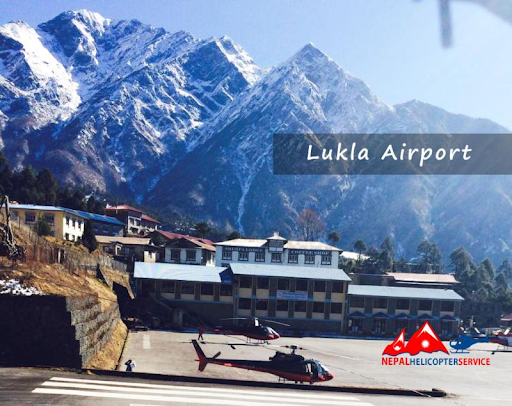
After days or weeks of trekking through the Everest region, the return flight from Lukla to Kathmandu Helicopter Flight represents a pivotal transition—a bridge between the rarefied world of high-altitude adventure and the return to everyday life. While many trekkers initially focus their planning energy on the outbound journey, the flight back to Kathmandu deserves equally thoughtful consideration. Choosing a helicopter for this return leg offers distinct advantages that extend beyond mere transportation, providing a fitting finale to an extraordinary mountain experience while addressing practical concerns that emerge after completing a demanding trek.
Post-Trek Realities: Why Helicopters Make Sense
After spending days navigating mountain trails, sleeping in teahouses, and pushing physical boundaries at high altitude, trekkers often find themselves in a different state than when they arrived. Fatigue accumulates despite the exhilaration of accomplishment, bodies carry the wear of extended exertion, and the psychological shift from mountain focus to departure logistics can feel jarring. In this context, the helicopter flight from Lukla to Kathmandu offers recovery advantages that fixed-wing alternatives cannot match.
The enhanced comfort level of helicopter travel becomes particularly valuable on the return journey. Seats are typically more spacious, noise-canceling headsets are standard, and the overall environment feels less cramped than the small fixed-wing aircraft that service the route. For trekkers whose bodies are recovering from physical strain, these comfort factors translate into meaningful improvements in the travel experience. The ability to stretch out somewhat, the reduced vibration compared to small planes, and the general sense of space contribute to a more restorative journey.
Schedule certainty takes on heightened importance when departing Lukla compared to arriving there. Trekkers heading into the mountains can often absorb a day or two of weather delays by adjusting their itinerary or accepting a shorter trek. However, those departing Lukla frequently face hard deadlines—international flights booked from Kathmandu, work commitments, or family obligations that cannot flex. Weather delays at Lukla can cascade into missed connections and significant disruptions. Helicopters, with their superior operational flexibility and ability to exploit brief weather windows throughout the day, substantially reduce the risk of these complications.
The Descent: A New Perspective on Familiar Territory
The return flight offers a dramatically different experience from the inbound journey, even when following the same route. Trekkers who have spent days walking through the landscape they now fly over recognize villages, monasteries, and trail sections they traversed on foot. This recognition transforms the flight into a retrospective journey, allowing passengers to appreciate the distances they covered and the elevation changes they navigated through their own effort.
From the air, the interconnectedness of the region becomes visible in ways impossible to perceive from ground level. The network of trails that link villages throughout the Khumbu reveals itself as an intricate web of human connection maintained across challenging terrain. Suspension bridges that seemed isolated when crossed on foot appear as part of a larger infrastructure system. The helicopter’s altitude and mobility allow passengers to trace the path of rivers from high glacial sources down through valleys, understanding watersheds as complete systems rather than isolated segments.
For many trekkers, the return flight provides opportunities to spot landmarks they missed during the approach. Weather conditions differ from day to day, and the flight back might occur under clearer skies, revealing mountain views obscured during the initial journey. The changed angle of the sun illuminates features differently, creating contrasts and shadows that highlight geological formations or cultural sites. This fresh perspective on terrain that has become somewhat familiar creates a satisfying sense of completeness to the overall experience.
Practical Advantages for Tired Trekkers
Beyond comfort and perspective, helicopter flights from Lukla to Kathmandu address several practical concerns that matter particularly to returning trekkers. Baggage handling becomes significantly easier, with helicopter operators generally accommodating the accumulated gear and souvenirs that trekkers carry after weeks in the mountains. The more relaxed weight restrictions mean less stress about packing decisions and fewer difficult choices about what to leave behind or ship separately.
The reduced time at altitude also benefits those who may be experiencing lingering effects of elevation exposure. While most trekkers descend gradually and acclimatize appropriately, some individuals continue feeling the effects of altitude even after returning to lower elevations like Lukla. The helicopter’s rapid descent to Kathmandu’s 1,400-meter elevation provides quick relief for anyone experiencing persistent headaches, sleep disturbances, or other mild altitude-related symptoms.
Medical considerations occasionally necessitate helicopter evacuation during treks, but even minor injuries or illnesses that don’t require emergency extraction can make helicopter travel preferable for the return journey. Twisted ankles, respiratory infections, or gastrointestinal issues that are manageable but uncomfortable become far more tolerable during a 45-minute helicopter flight than during a longer, less comfortable fixed-wing journey. Many trekkers purchase travel insurance that covers helicopter flights specifically for these scenarios.
Booking Strategies and Timing Considerations
Securing a helicopter flight from Lukla to Kathmandu requires different strategies than booking the outbound journey. While some trekkers arrange round-trip helicopter transportation before leaving Kathmandu, others prefer the flexibility of deciding during their trek based on how they feel and how the expedition unfolds. Most helicopter operators can accommodate bookings made from Lukla with relatively short notice during off-peak periods, though advance booking remains advisable during high season.
Communication from Lukla has improved substantially with better mobile network coverage and internet availability at lodges. Trekkers can coordinate with helicopter operators via phone or messaging apps, confirming departure times and receiving weather updates. This connectivity reduces uncertainty and allows for dynamic planning that responds to actual conditions rather than pre-trip assumptions.
Shared helicopter flights offer economical alternatives to private charters while maintaining most of the core advantages over fixed-wing aircraft. These services typically depart once enough passengers have booked to justify the flight, which happens more frequently during peak trekking seasons. Private charters provide ultimate flexibility regarding departure timing and can include scenic routing that adds value for those willing to invest in a premium experience.
Environmental Considerations and Responsible Travel
The environmental footprint of helicopter travel warrants acknowledgment as part of responsible tourism practices. Helicopters consume more fuel per passenger than fixed-wing alternatives, contributing to carbon emissions that impact climate change. Conscious travelers increasingly consider these factors when making transportation decisions, weighing convenience against environmental cost.
However, the equation includes nuances worth considering. Helicopters serve essential functions beyond tourism, providing emergency medical services and enabling disaster response in regions where alternatives don’t exist. The infrastructure that supports tourist flights also supports these critical services, creating economies of scale that improve overall capabilities. Additionally, helicopter operations employ local professionals and contribute to mountain community economies in ways that extend beyond simple transaction costs.
Trekkers can offset some environmental impact through carbon offset programs, by choosing operators with strong environmental commitments, and by making sustainable choices throughout their journey. The decision to use helicopter transportation for a specific leg of a trip can coexist with broader environmental consciousness when approached thoughtfully.
Conclusion
The Lukla to Kathmandu helicopter flight represents far more than expedient transportation; it serves as a transitional experience that honors the achievement of completing a Himalayan trek while addressing the practical realities of returning to Kathmandu. The enhanced comfort, schedule reliability, and unique aerial perspective combine to create value that extends beyond the flight’s duration, influencing how trekkers process and remember their entire mountain adventure.
For those whose bodies need gentler treatment after demanding physical exertion, whose schedules cannot accommodate weather delays, or who simply wish to conclude their journey with a memorable aerial perspective on terrain they’ve come to know intimately, the helicopter option delivers meaningful benefits. As with all travel decisions, the choice reflects personal priorities, budget considerations, and individual circumstances. Yet for many returning from the Everest region, the helicopter flight from Lukla to Kathmandu provides a perfect punctuation mark—an exclamation point rather than a period—on an unforgettable chapter of exploration and achievement in the world’s highest mountains.
