

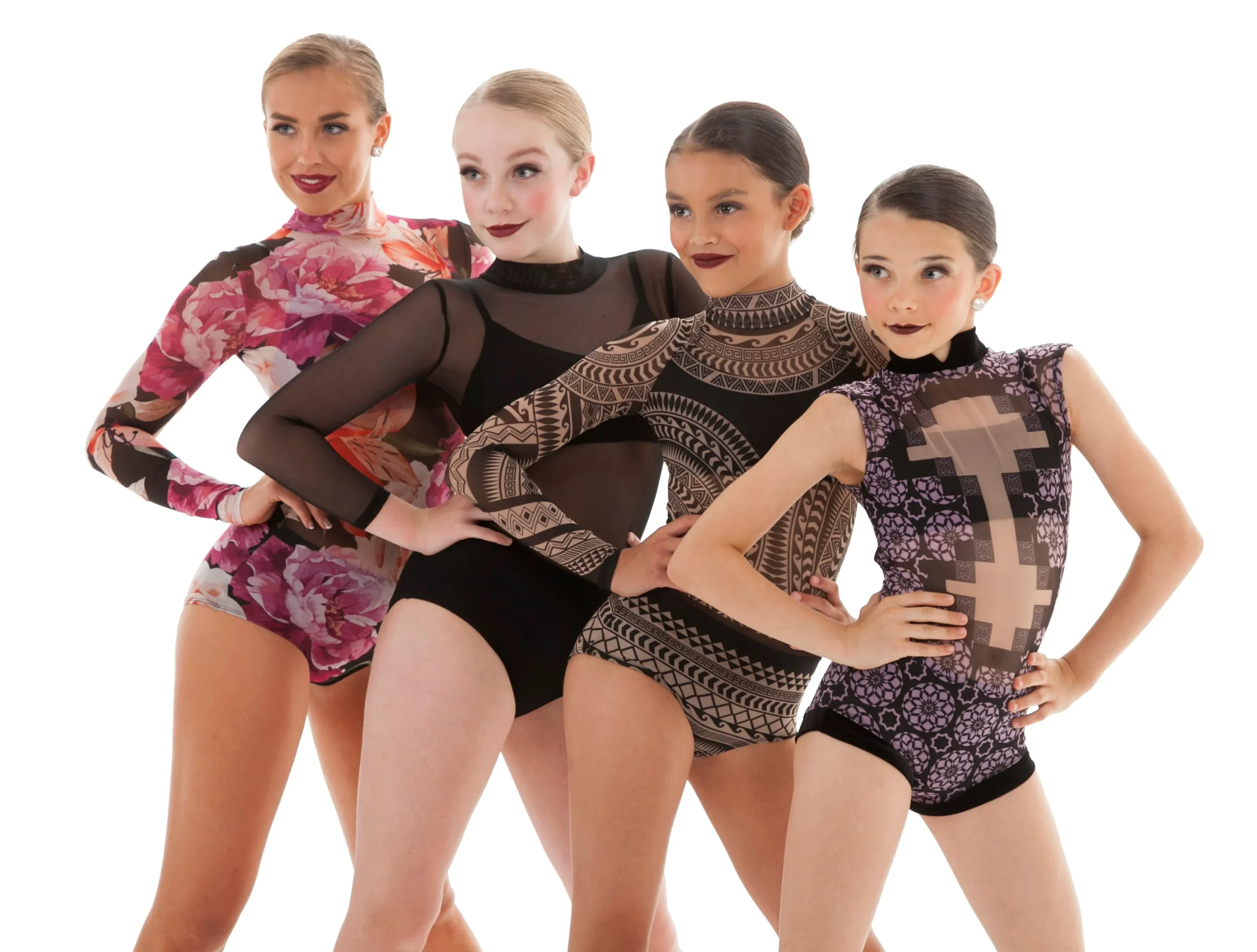
There was a time when dancewear was purely functional — simple, uniform, and neutral. Today’s dancers express more individuality, and designers have redefined the role of apparel in movement-driven performance. Modern dance leotards now merge athletic engineering with striking visual design to help dancers feel strong, stylish, and prepared for demanding routines.
The Dancewear Shift from Pure Utility to Performance Fashion
Earlier leotards were limited in both style and color, focusing only on structure. Today’s versions incorporate new silhouettes, cut-outs, back-strap concepts, bold colors, and pattern-driven detailing. Instead of masking the body, contemporary leotards highlight lines, posture, and form. This not only supports aesthetic presentation but also celebrates individuality.
Teachers report that students are more engaged and confident when they feel good in what they’re wearing. Coaches see that expressive attire actually encourages stage presence — dancers step onto the floor with elevated energy and self-assurance.
Fabric Innovation and Movement Freedom
Designers are using specialized performance fabrics that are:
- stretch-responsive
- moisture-adaptive
- breathable
- durable
These materials allow for full flexibility in extensions, backbends, battements, and leaps. They hold their shape during high-intensity rehearsals and don’t sag or constrict after multiple washes.
Equally important is seam placement. Strategic seams reduce skin irritation during floor work and across shoulder blades. Modern fittings prioritize mobility — the fabric follows the dancer rather than resisting motion.
Body-Confidence, Fit, and Support
Leotards must do more than fit — they must support. Placement of compression zones and flexible areas is essential for:
- torso stability
- hip support
- chest comfort
- shoulder flexibility
Younger dancers are developing body awareness and personal confidence. A thoughtfully designed leotard encourages proper posture and reduces self-consciousness in mirrors and onstage. Fit is both emotional and physical — the right garment helps a dancer move without adjustment or worry.
The Rise of Style Identity in Dance Culture
Dance is increasingly influenced by personal branding. Studio environments encourage individuality. Soloists want a signature look. Team captains want unified visual presence. And social media creates new expectations for striking attire.
Modern leotards function as:
- identity expression
- character representation
- choreography interpretation
A contemporary lyrical piece may call for muted tones and fluid lines, while a jazz routine might benefit from bold cuts and fierce styling. The leotard becomes part of the storytelling — an extension of the performance itself.
Choosing a Dance Leotard for Your Purpose
When selecting a leotard, consider the primary use:
- Daily practice: prioritize comfort, breathability, and long-term durability
- Competitions: look for eye-catching design and strong aesthetic presence
- Technique classes: classic silhouettes that highlight alignment
- Auditions: streamlined, sophisticated design without distraction
A dancer should view leotards as both apparel and equipment. The best ones allow expression without sacrificing technical function.
Final Thoughts and Call To Action
Today’s leotards are more than dancewear — they are performance tools and confidence builders that support dancers in motion, mindset, and presence. If you’re looking for apparel that matches technical movement with modern style, you’ll find exceptional options at Tiger Friday — a brand recognized for bold design, expressive energy, and apparel made for dancers who want to stand out in every moment.
