

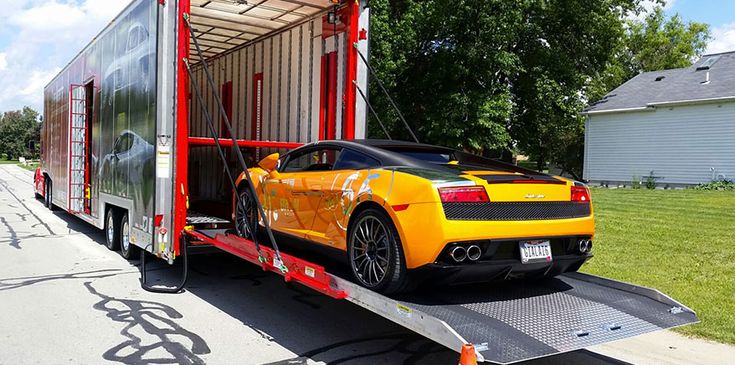
When it comes to shipping your vehicle, understanding the options available can significantly impact the safety, cost, and overall experience of your auto transport. The two primary methods of transport are open and enclosed auto transport. Each method has its advantages and disadvantages, and choosing the right one depends on your specific needs, the type of vehicle being shipped, and your budget. In this article, we’ll explore the differences between these two vehicle shipping options, helping you make an informed transport decision.
Open Auto TransportWhat is Open Auto Transport?
Open auto transport is the most common and cost-effective method for shipping vehicles. In this approach, vehicles are loaded onto an open trailer, typically alongside several other vehicles. This method is widely used due to its efficiency and affordability.
Advantages of Open Auto Transport
- Cost-Effective: Open transport is generally cheaper than enclosed transport because it allows for multiple vehicles to be shipped simultaneously. The shared costs help lower the overall price for each customer.
- Availability: Open transport services are abundant and often have more frequent routes. This makes it easier to book your transport and find a company that meets your scheduling needs.
- Faster Transit Times: Because of the higher volume of shipments, open transport often has faster transit times. Carriers frequently operate on established routes, allowing for quicker delivery.
Disadvantages of Open Auto Transport
- Exposure to the Elements: One of the primary downsides of open transport is that vehicles are exposed to weather conditions and road debris during transit. This means that your car may be susceptible to dirt, rain, snow, or even hail.
- Increased Risk of Damage: While open transport is generally safe, there is a higher risk of damage from flying debris or other vehicles during transit. This risk can be a concern for high-value or classic cars.
Enclosed Auto TransportWhat is Enclosed Auto Transport?
Enclosed auto transport involves transporting vehicles in a fully enclosed trailer, providing maximum protection during transit. This method is often chosen for luxury, exotic, or classic cars that require extra care.
Advantages of Enclosed Auto Transport
- Superior Protection: Enclosed transport protects vehicles from weather conditions, road debris, and potential theft. This is particularly beneficial for high-value cars with delicate finishes or intricate components.
- Enhanced Security: The enclosed nature of the trailers provides an additional layer of security. With restricted access, the risk of vandalism or theft is significantly reduced.
- Ideal for Classic and Luxury Cars: For owners of classic or luxury vehicles, the added protection offered by enclosed transport is often worth the extra cost. This method ensures that your investment remains in pristine condition during transport.
Disadvantages of Enclosed Auto Transport
- Higher Costs: Enclosed transport is typically more expensive than open transport. The additional protection and lower risk of damage come with a higher price tag, which may not be feasible for everyone.
- Limited Availability: Enclosed transport services may not be as readily available as open transport, especially for specific routes or during peak seasons. This can result in longer wait times for booking.
- Longer Transit Times: Enclosed transport may have slightly longer transit times due to the limited number of vehicles that can be shipped at once. Carriers may also take more time to load and unload vehicles carefully.
Key Considerations for Choosing Between Open and Enclosed Transport
When deciding between open and enclosed transport, consider the following factors:
- Value of the Vehicle: If you are shipping a luxury, classic, or high-value vehicle, the extra cost of enclosed transport is often justified for the added protection and peace of mind.
- Budget: If you are working with a tighter budget and are shipping a standard vehicle, open transport is a more cost-effective option that still provides reliable service.
- Timing: If you need your vehicle shipped quickly, open transport may have more availability and faster transit times compared to enclosed options.
- Distance and Route: Consider the distance and route your vehicle will be taking. Some transport companies may only offer one option for certain routes.
- Personal Preference: Ultimately, your comfort level and personal preference play a significant role in your decision. If you prefer maximum protection for your vehicle, choose enclosed transport regardless of the cost.
Choosing between open and enclosed auto transport is an essential decision when shipping your vehicle. Understanding the differences, advantages, and disadvantages of each method allows you to make an informed choice that aligns with your needs and budget. Open transport is ideal for standard vehicles looking for cost-effective shipping, while enclosed transport provides superior protection for luxury and classic cars. By considering the factors mentioned in this article, you can confidently select the best transport option for your vehicle, ensuring a smooth and secure shipping experience. Search for insurance that is right for your needs. It is important if you rent a car.
