

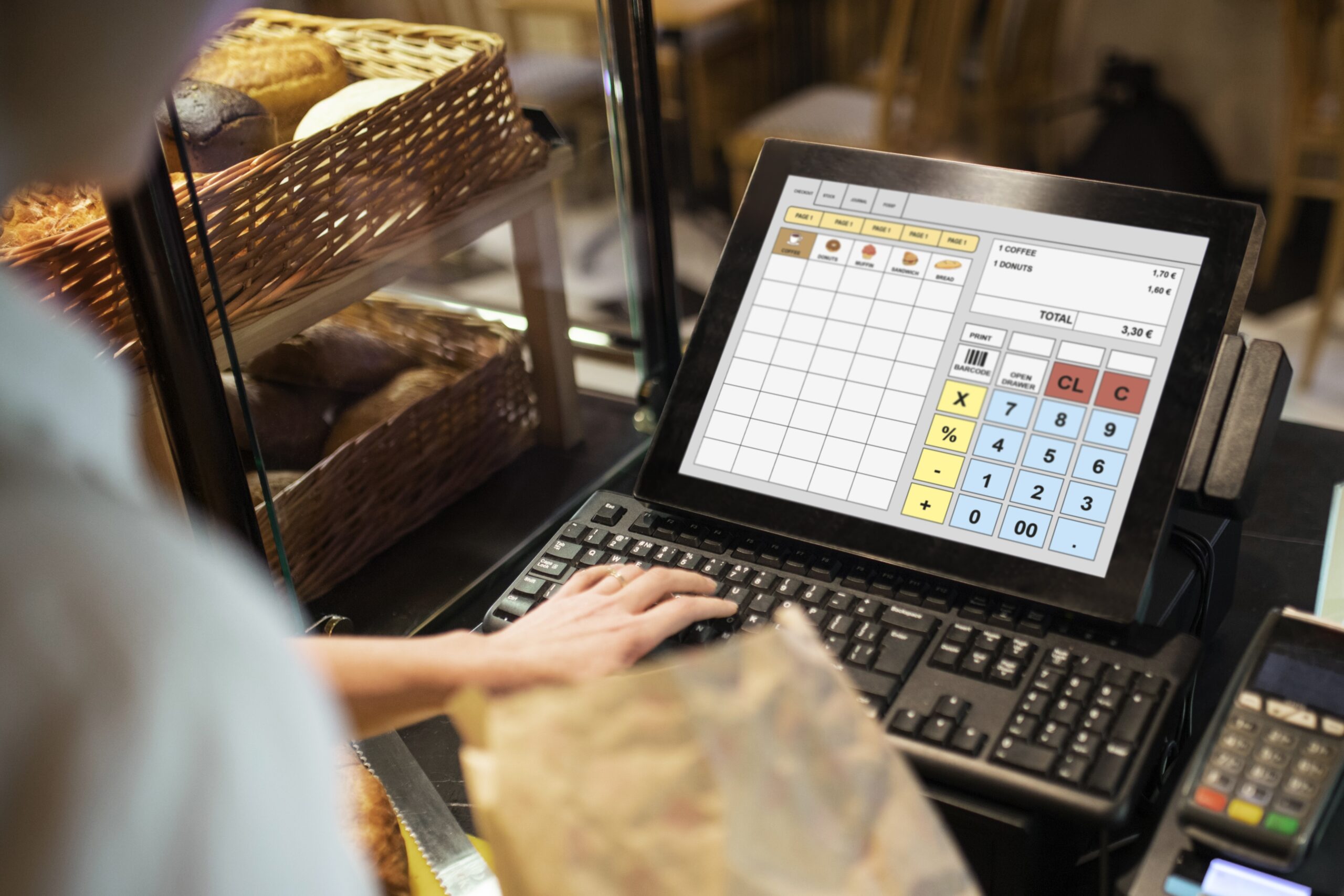
Running a small business involves balancing customer service, inventory management, sales tracking, and daily operations. As businesses grow, handling these responsibilities manually can become increasingly challenging. A modern point-of-sale (POS) system does much more than process payments; it serves as a central hub that helps streamline operations and provides valuable insights into business performance.
With so many POS solutions available, choosing the right one requires looking beyond the basic ability to accept transactions. The best system should support your current needs while offering flexibility for future growth. Understanding the key features to prioritize can help small business owners make a more informed investment.
Supporting Multiple Payment Methods
Today’s customers expect convenient payment options, making payment flexibility an essential feature in any POS system. A reliable solution should accept credit and debit cards, mobile wallets, contactless payments, and other commonly used payment methods.
Providing multiple payment options helps improve the customer experience by reducing friction during checkout. It also allows businesses to accommodate changing consumer preferences without investing in separate payment solutions.
Simplifying Inventory Management
Inventory tracking is one of the most valuable features a POS system can provide. Instead of manually updating stock levels, businesses can monitor inventory automatically as products are sold.
Many POS systems also generate alerts when inventory reaches predetermined levels, which makes it easier to reorder products before they run out. Better inventory visibility helps lessen stock shortages, minimize overordering, improve purchasing decisions, and support more accurate inventory planning over time.
Delivering Real-Time Sales Reporting
Access to accurate sales data enables business owners to make informed decisions. Quality POS systems for small businesses, like those offered at NRS Plus, provide real-time reporting that highlights revenue, sales trends, product performance, and peak business hours.
These reports make it easier to identify best-selling products, evaluate promotional campaigns, understand customer buying patterns, and monitor sales performance over time. Instead of relying on guesswork, owners can use reliable data to improve daily operations and long-term planning.
Streamlining Employee Management
Many POS systems include employee management features that simplify scheduling and time tracking. Business owners can assign user permissions based on employee responsibilities while maintaining better control over sensitive business functions.
Tracking individual sales performance can also help identify training opportunities and recognize high-performing team members. These features contribute to greater accountability while reducing administrative workload.
Enhancing Customer Relationship Management
Building long-term customer relationships is important for small businesses, and many POS systems include tools that support customer engagement. Features such as customer profiles, purchase history, loyalty programs, and personalized promotions allow businesses to better understand and serve their customers.
Having access to customer information enables businesses to create targeted marketing efforts and reward repeat customers, encouraging stronger relationships and increased customer retention.
Integrating With Business Tools
A POS system becomes even more valuable when it works seamlessly with other business software. Integration with accounting platforms, e-commerce stores, customer relationship management systems, and marketing tools helps reduce duplicate data entry and improves operational efficiency.
By connecting multiple systems, businesses can keep financial records, inventory, online sales, and customer information synchronized across different platforms. This saves time while minimizing the risk of manual errors.
Providing Flexible Scalability
As a business grows, its technology should grow with it. Choosing a POS system that offers scalable features allows businesses to add new users, locations, products, or services without replacing the entire system.
Whether expanding into online sales, opening additional stores, or introducing new product lines, a scalable POS system provides the flexibility needed to support future business development while protecting the initial investment.
Selecting the right POS system is an important decision that can influence the efficiency, productivity, long-term success, and overall profitability of a small business. While payment processing remains a core function, today’s POS systems offer a wide range of features that support inventory management, employee oversight, customer engagement, reporting, and business integration. Evaluating these capabilities carefully helps ensure the system aligns with both current operational needs and future growth plans.
Rather than focusing solely on price, small business owners should consider the overall value a POS solution provides. Working with a trusted POS system provider can help identify the right features for your business, ensuring you invest in technology that supports smoother operations, improves customer experiences, and positions your business for continued success.
