

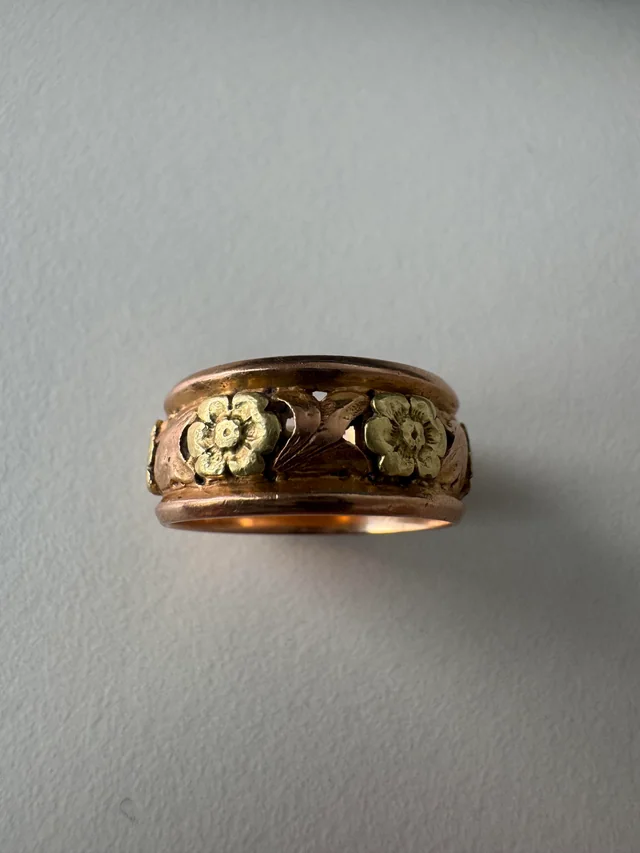
For collectors and vintage jewelry enthusiasts, certain names carry a weight that transcends the pieces themselves. The Orange Blossom ring company is one of them — a brand that helped define the American bridal jewelry market during the early twentieth century and whose rings are now regarded as some of the finest examples of Edwardian and Art Deco craftsmanship available in the estate market today. Understanding the story behind the name, what distinguishes these rings in design terms, and why the collector community prizes them so highly provides essential context for anyone pursuing an authentic piece.
The Origins of the Orange Blossom Brand
The Orange Blossom name was a trademarked brand belonging to the Traub Manufacturing Company, a Detroit-based jewelry manufacturer that rose to prominence in the early decades of the twentieth century. Traub was among the most significant commercial producers of diamond engagement rings in the United States during this period, supplying fine retailers across the country with pieces of consistently high manufacturing quality.
The orange blossom flower carried deep bridal symbolism long before the brand adopted its name. Traditionally worn by Victorian and Edwardian brides in bouquets and hair arrangements, the blossom represented purity, new beginnings, and the promise of lasting commitment. By associating their engagement ring line with this established romantic tradition, Traub positioned Orange Blossom as a name synonymous with betrothal — a deliberate and enduring piece of early American brand identity.
Design Characteristics Across Two Eras
Orange Blossom rings were produced during a period spanning roughly the 1910s through the 1940s, meaning their design vocabulary encompasses both the Edwardian and Art Deco periods — two of the most admired chapters in fine jewelry history.
Edwardian-era Orange Blossom pieces are distinguished by their exceptional delicacy. Lacy platinum filigree, intricate milgrain edging, and floral or scroll motifs executed in open metalwork are characteristic of this period. The overall aesthetic is one of refined lightness — settings appear almost ethereal while remaining structurally sound and wearable across generations.
Art Deco examples shift toward the geometric precision and bold symmetry that define that era: step-cut stones in orderly linear arrangements, clearly defined borders, and an overall architectural sensibility. Across both periods, the standard of construction is consistently high, reflecting Traub’s manufacturing expectations and the caliber of fine jewelry retailers who stocked their pieces.
Center Stones and Metal Choices
Old European cut diamonds appear most frequently in Orange Blossom engagement rings — a cut produced prior to modern precision cutting technology that is now highly regarded for the warm, romantic light return it produces. Old mine cuts are present in earlier examples, while transitional cuts bridge the gap toward the modern brilliant in later pieces.
Platinum was the dominant metal throughout most of the brand’s production period, supporting the fine detail work for which Orange Blossom rings are recognized. White gold appears in certain examples, particularly in pieces produced during wartime periods when platinum was restricted for industrial use. Side stones are common — typically small old European or single-cut diamonds arranged in channel, bead, or pavé settings to frame and complement the center stone.
Why These Rings Are Prized by Today’s Collectors
Several factors converge to make Orange Blossom rings a consistently sought-after category in the estate jewelry market. The combination of a recognizable and historically documented brand name, a defined production period, and objectively high manufacturing quality creates a compelling case for collectors and engagement ring shoppers alike.
The sentimental dimension of the brand also resonates with buyers. Rings purchased as tokens of engagement during the 1920s and 1930s carry an inherent emotional history — they were chosen at a meaningful moment and worn through the decades that followed. For buyers drawn to jewelry with genuine narrative, that provenance is as meaningful as the piece itself.
Rarity is an increasingly significant factor as well. Fine Orange Blossom examples in well-preserved condition are becoming progressively more difficult to source, a dynamic that has supported sustained and growing collector interest over time.
Identifying an Authentic Orange Blossom Piece
Genuine Orange Blossom rings typically bear identifying marks that assist with authentication. Hallmarks, maker’s stamps, or the Orange Blossom brand name may appear stamped inside the shank, though legibility varies with the age and condition of the ring. The construction quality itself serves as a useful secondary guide: authentic examples show consistent hand-finishing, precisely applied milgrain, and stone settings that reflect period manufacturing standards.
Purchasing through a specialist with documented experience in early twentieth-century American jewelry reduces the risk of misattribution. For any piece representing a meaningful investment, an independent appraisal from a certified gemologist familiar with estate jewelry is a sound and advisable step.
Finding an Orange Blossom Ring Worth Keeping
An Orange Blossom ring is not simply a piece of vintage jewelry. It is a carefully made artifact from a defining chapter in American fine jewelry history — selected at a moment of personal significance, built to endure, and increasingly recognized as a collectible of lasting value. For the buyer willing to seek out an authentic example, it represents a connection to craftsmanship and tradition that no contemporary ring can offer.
Gesner Estate Jewelry specializes in authenticated antique and vintage rings sourced from significant private estates and collections, including rare examples from distinguished American makers. Browse their curated inventory to explore Orange Blossom and other exceptional estate pieces from fine jewelry’s most celebrated eras.
