

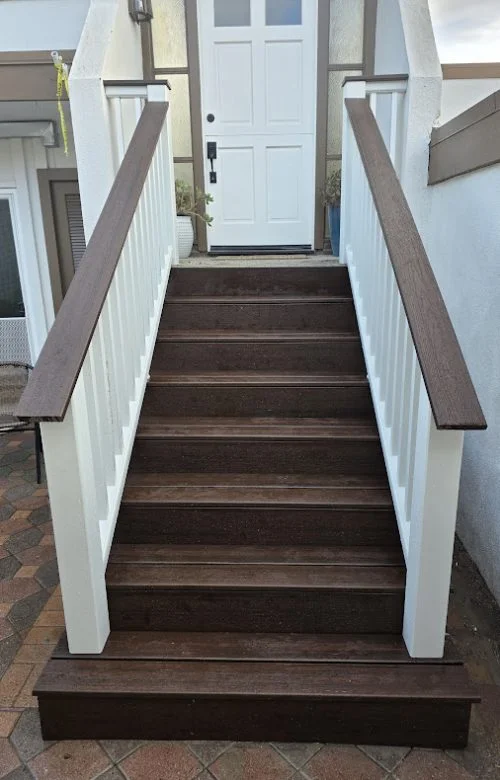
For the professional stair installer, the success of a project is measured by two factors: the visual precision of the miters and the long-term silence of the structure. While mechanical fasteners—nails and screws—provide the initial hold, they are susceptible to the natural expansion and contraction of wood. Over time, these fasteners can loosen, leading to the dreaded “staircase squeak” that results in costly callbacks. To mitigate this risk, modern pros have shifted toward a “full-spread” or “bead-bond” system, utilizing the best adhesive for stair treads to create a permanent, flexible bond that moves with the home.
The Chemistry of the Bond: Moisture-Cure Urethanes vs. High-Grab Polymers Not all construction adhesives are suitable for hardwood stair applications. Standard solvent-based adhesives can be too rigid, eventually becoming brittle and failing under the constant vibratory stress of foot traffic. Professional installers now prioritize moisture-cure urethanes or silane-modified polymers (SMP). These advanced formulas offer a high “green grab,” which keeps the tread in place during installation, but remains elastomeric once cured. This elasticity allows the adhesive to act as a shock absorber, dissipating the energy of every footfall and preventing the friction between wood components that causes noise.
Vapor Protection and Substrate Preparation The staircase is often a bridge between different climate zones in a home—from a potentially damp basement to a dry second floor. Proper adhesive selection also serves as a moisture barrier. By using a full-spread application of a high-quality adhesive, installers create an integrated vapor retarder that protects the underside of the hardwood tread from moisture rising through the subfloor or stringers. This is particularly vital when installing treads over concrete or fresh plywood, where moisture levels can fluctuate significantly during the first year of a new build.
Reducing Tool Marks and Finishing Time One of the secondary benefits of a high-performance adhesive strategy is the reduction in surface marring. By relying on the adhesive for structural strength, installers can use fewer finish nails. This results in fewer nail holes to fill, sand, and touch up—a significant advantage when working with factory-prefinished treads where on-site finish matching is difficult. A “glue-assist” method ensures that the tread is locked down tight to the stringer without the need for heavy face-nailing, preserving the pristine architectural lines of the wood.
Conclusion: Precision from the Ground Up In a trade where reputation is built on the details, the materials you choose for the “unseen” parts of the job are just as important as the wood itself. A squeak-free, stable staircase is the hallmark of a master craftsman. By staying current with adhesive technology and proper application techniques, installers can ensure their work stands the test of time. When it comes to sourcing both the hardware and the technical knowledge for a world-class installation, Wood Stair Co provides the trade-tested adhesives and premium American-made components that guarantee a silent, secure, and beautiful finish.
