

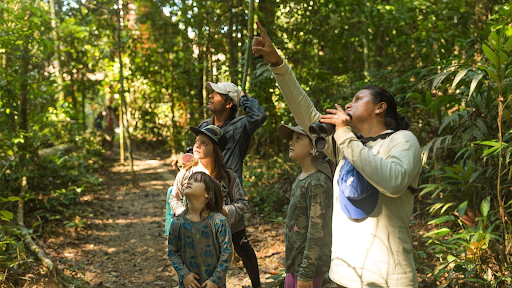
The Chuncho macaw clay link 2 days represents one of the Amazon’s most spectacular natural phenomena, and a two-day tour offers the minimum viable timeframe for experiencing this extraordinary wildlife gathering. While longer expeditions provide more comprehensive immersion, a carefully planned two-day itinerary allows travelers with limited vacation time to witness the world’s largest congregation of wild macaws without sacrificing the quality of the encounter. This compressed format requires strategic planning and realistic expectations, but delivers authentic jungle adventure and unforgettable wildlife moments that justify the intensive schedule.
Understanding the Two-Day Challenge
Organizing a meaningful Chuncho clay lick experience into just two days presents significant logistical challenges due to the site’s remote location deep within Tambopata National Reserve. The clay lick sits approximately four to five hours upriver from Puerto Maldonado, meaning that travel alone consumes substantial portions of both days. Successful two-day itineraries must maximize every available hour while maintaining realistic pacing that doesn’t exhaust participants or compromise safety.
The primary advantage of choosing two days over a single full-day trip is the overnight stay near the clay lick itself. This proximity eliminates the need for pre-dawn departures from Puerto Maldonado and allows multiple morning viewing opportunities if conditions prove unfavorable on the first attempt. Weather unpredictability and the inherently variable nature of wild animal behavior mean that having two chances dramatically improves your likelihood of witnessing spectacular macaw gatherings under optimal conditions.
Two-day tours also provide time for additional rainforest activities beyond the clay lick visit. While the macaw spectacle serves as the centerpiece attraction, the surrounding primary forest hosts incredible biodiversity that deserves exploration. Evening and afternoon excursions reveal different species and ecosystems, creating a more rounded rainforest experience than focusing exclusively on a single wildlife event. This variety helps justify the time and expense required to reach such a remote destination.
Day One: Journey Into the Wilderness
Your Chuncho adventure begins early in Puerto Maldonado, typically with departures between 5:00 and 6:00 AM. After meeting your guide and receiving a comprehensive briefing about the days ahead, you’ll board a motorized canoe for the extended upstream journey. This four to five hour river trip serves as far more than simple transportation—it becomes an integral part of your rainforest experience and wildlife observation opportunity.
The Tambopata River itself teems with life, and your naturalist guide will point out species throughout the journey. Caimans bask on sandy beaches, capybaras graze along banks, and various monkey troops forage in riverside trees. Birdlife appears constantly, with kingfishers, herons, oropendolas, and numerous other species providing steady entertainment. The river scenery transforms as you travel deeper into the reserve, with human settlements disappearing and pristine rainforest taking over completely.
The upstream journey also allows your guide to begin ecological education that continues throughout your stay. They’ll explain river formation, forest structure, species adaptations, and conservation challenges facing the Tambopata region. This knowledge foundation enhances your appreciation for everything you observe, transforming simple sightings into meaningful encounters with complex living systems. Understanding why macaws need clay, how oxbow lakes form, or what strangler figs reveal about forest succession deepens your connection to the environment.
Arrival at your lodge or camping location typically occurs around mid-morning to early afternoon, depending on river conditions and your specific itinerary. After settling into accommodations and enjoying lunch, the afternoon offers opportunities for guided rainforest walks along established trails near your base. These terrestrial excursions introduce you to the forest’s incredible plant diversity, from towering emergent trees to tiny orchids, from medicinal plants to fascinating fungi and insects.
As evening approaches, night excursions reveal the rainforest’s nocturnal dimension. Armed with flashlights and headlamps, you’ll search for creatures that remain hidden during daylight—tree frogs calling from vegetation, caimans hunting in shallow water, spiders constructing elaborate webs, and occasionally larger mammals like night monkeys or kinkajous. These after-dark adventures demonstrate how the forest operates continuously, with different species taking active roles at different times in an endless cycle of life.
Dinner at the lodge or camp provides opportunity to discuss the day’s observations, review wildlife field guides, and prepare mentally and practically for the following morning’s main event. Your guide will explain exactly what to expect at the clay lick, offering tips for photography, wildlife observation, and maximizing your experience. Early retirement is essential, as the next morning requires pre-dawn rising to position yourself before the macaws begin their arrival.
Day Two: The Chuncho Clay Lick Experience
The alarm sounds painfully early on day two, typically between 4:00 and 4:30 AM. After a quick breakfast of coffee, fruit, and light snacks, you’ll depart in darkness for the short journey to observation points near the clay lick. The pre-dawn boat ride and quiet positioning in observation blinds occur during peak atmospheric magic, with mist rising from the water and the forest gradually awakening around you.
As the sky lightens, anticipation builds palpably. Your guide will remind you to maintain silence and minimize movement to avoid disturbing the birds’ natural behavior. The first arrivals are typically smaller parrots and parakeets serving as scouts, testing the area for potential predators. These advance species feed briefly while remaining hyper-alert, their successful feeding signaling larger macaws that conditions may be safe.
The macaw gathering unfolds in mesmerizing stages. Small groups begin circling overhead, their distinctive calls echoing across the river valley. More birds join continuously, creating swirling flocks of increasing size and color. This pre-landing staging behavior can continue for 30 minutes to over two hours as the collective flock waits for optimal safety conditions. Patient observation during this phase reveals social dynamics, flight patterns, and the remarkable coordination these intelligent birds display.
When the flock finally commits to landing, the transformation is instantaneous and overwhelming. Hundreds of macaws descend simultaneously in an explosion of color and sound that defies adequate description. The clay wall becomes completely covered with feeding birds—blue-and-yellow macaws dominating numerically, scarlet macaws providing vivid red accents, red-and-green macaws adding burgundy and emerald tones. The cacophony of calls, the rustling of thousands of wings, and the visual spectacle of so much concentrated color create sensory overload in the most glorious way imaginable.
The feeding session typically continues for two to three hours, though exact duration depends on weather conditions and potential disturbances. Individual birds scrape clay using their powerful beaks, often hanging at improbable angles on the vertical surface. Mated pairs feed together, juveniles practice under parental supervision, and occasional disputes over prime feeding spots erupt and resolve quickly. The constant movement and interaction ensure endless photographic opportunities and behavioral observations that reveal the complex social structures of these highly intelligent creatures.
Any perceived threat can trigger sudden mass departures. A harpy eagle passing overhead, unusual sounds, or shadows from clouds can cause the entire flock to explode upward in thunderous evacuation. These dramatic events, while temporarily interrupting the spectacle, add intense excitement and provide different photographic perspectives as hundreds of birds fill the sky simultaneously. The flock typically circles for several minutes before individuals begin cautiously returning to resume feeding.
Afternoon Return and Final Explorations
After the macaws complete their morning ritual and disperse back into the forest, you’ll return to the lodge for a well-deserved breakfast and rest period. The remaining hours before beginning your return journey to Puerto Maldonado allow for additional rainforest activities chosen based on your interests and energy levels. Some itineraries include visits to nearby oxbow lakes where giant river otters might be observed, while others focus on additional hiking to explore different forest types.
The downstream journey back to Puerto Maldonado moves significantly faster than the upstream trip, typically requiring three to four hours compared to the earlier four to five. Traveling with the current provides a more relaxed pace while still offering wildlife viewing opportunities along the riverbanks. Your guide may make strategic stops at interesting locations or when significant wildlife appears, ensuring the return journey continues contributing to your overall experience rather than merely serving as necessary transportation.
The boat ride back also provides valuable time for reflection on the extraordinary spectacle witnessed that morning. Most travelers report feeling profoundly moved by the Chuncho experience, and the return journey allows processing of emotions and integration of memories. Reviewing photographs, discussing observations with your guide and fellow travelers, and watching the forest pass by create a contemplative conclusion to an intensive adventure.
Maximizing Your Two-Day Experience
Success during a compressed two-day Chuncho itinerary requires appropriate preparation and realistic expectations. Physical stamina is essential—you’ll face early mornings, extended boat travel, and potentially challenging trail conditions. Comfortable, quick-drying clothing, quality rain gear, and sturdy footwear contribute significantly to your comfort throughout the journey. Bringing adequate sun protection, insect repellent, and personal medications ensures you can participate fully in all activities.
Photography equipment deserves careful consideration for two-day trips. The clay lick offers extraordinary opportunities, but the limited timeframe means you have essentially one chance to capture your ideal images. Telephoto lenses in the 400-600mm range are essential for quality macaw photographs, while backup batteries and ample memory cards prevent missed opportunities due to equipment limitations. Waterproof protection for cameras and electronics guards against humidity, rain, and river spray during boat travel.
Mental preparation proves equally important. Wildlife behavior remains inherently unpredictable, and even with two mornings at the clay lick, spectacular gatherings aren’t guaranteed. Weather conditions, predator presence, or simply the birds’ collective mood can affect activity levels. Approaching the experience with flexible expectations and appreciation for whatever nature provides prevents disappointment and allows genuine enjoyment of all encounters, whether dramatic or subtle.
Comparing Two-Day Options to Longer Itineraries
Understanding how two-day Chuncho tours compare to longer alternatives helps clarify whether this compressed format suits your needs. Three to five day itineraries provide more relaxed pacing, additional clay lick viewing opportunities, and time for exploring diverse ecosystems beyond the immediate area. They also allow greater flexibility when weather or wildlife behavior proves challenging, offering multiple chances to experience optimal conditions.
However, two-day tours deliver remarkable value for travelers facing time constraints or those combining Chuncho with other Peruvian destinations. The core experience—witnessing the macaw gathering—remains essentially unchanged whether you stay two days or five. The primary differences involve comfort level, activity diversity, and insurance against unfavorable conditions. For determined travelers willing to accept compressed schedules and some uncertainty, two days provides authentic access to this bucket-list natural phenomenon.
Conclusion
A Chuncho macaw clay lick two-day tour represents the minimum viable timeframe for experiencing one of nature’s greatest avian spectacles while accounting for the site’s extreme remoteness. This compressed itinerary demands commitment, physical stamina, and acceptance of tight scheduling, but delivers authentic encounters with wild macaws in pristine Amazonian wilderness. The overnight stay near the clay lick provides critical advantages over impossible single-day attempts, offering two morning viewing opportunities and eliminating the need for exhausting pre-dawn departures from distant locations.
For travelers unable to commit to longer expeditions but unwilling to miss this extraordinary natural phenomenon, two-day tours provide a viable compromise. You’ll experience the core attraction that draws visitors from around the world while sampling additional rainforest biodiversity and ecosystems. The intensive nature of the experience actually enhances its impact for many travelers, creating concentrated adventure that burns brightly in memory.
The investment of two days to witness hundreds of brilliantly colored macaws covering a clay wall in the heart of the Amazon represents time well spent. This spectacle, combined with river journeys through pristine rainforest and immersion in one of Earth’s most biodiverse ecosystems, creates transformative experiences that justify the logistical challenges and intensive schedule. For anyone seeking bucket-list wildlife encounters within practical time constraints, a Chuncho macaw clay lick two-day tour delivers exceptional value and unforgettable natural wonders.
