

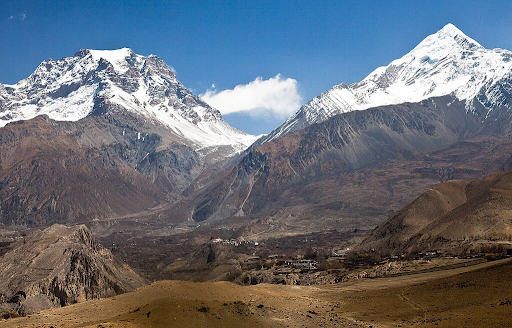
The Annapurna Circuit Trek is one of the most celebrated long-distance trekking routes in the world. Known for its dramatic landscapes, cultural richness, and challenging high-altitude terrain, the trek circles the majestic Annapurna Massif and showcases the extraordinary diversity of Nepal’s natural beauty. From subtropical forests and deep river gorges to windswept deserts and snowy alpine passes, the Annapurna Circuit offers an unmatched Himalayan adventure that has captivated trekkers for decades.
Covering a distance of approximately 160–230 kilometers depending on the itinerary, the trek typically takes 12–18 days to complete. Along the route, trekkers pass through remote villages, ancient temples, and high mountain passes, culminating in the iconic crossing of Thorong La Pass (5,416m)—one of the highest trekking passes in the world. The Annapurna Circuit Trek remains a timeless favorite for adventure enthusiasts seeking both physical challenge and cultural immersion.
A Journey Through Nepal’s Most Diverse Landscapes
One of the most remarkable features of the Annapurna Circuit Trek is its environmental diversity. The journey begins in the lush lowlands of Besisahar, where terraced fields, waterfalls, and dense forests create a warm and vibrant atmosphere. As trekkers ascend deeper into the mountains, the landscape begins to transform dramatically.
Subtropical Forests and River Valleys
The early days of the trek follow the Marshyangdi River through green forests and charming villages. These lower regions are home to ethnic groups such as the Gurung and Magar communities, known for their traditional lifestyles and hospitality. The subtropical climate brings warm temperatures and lush vegetation, making the first stage of the trek a pleasant and scenic experience.
High-Altitude Terrain and Alpine Beauty
As the trail climbs higher, the environment becomes increasingly alpine. Snow-capped peaks appear on the horizon, including Annapurna II, Lamjung Himal, and Manaslu. Villages such as Chame, Pisang, and Manang offer some of the most beautiful Himalayan views, with clusters of traditional homes set against dramatic mountain backdrops.
Trekkers often find the alpine zone both invigorating and exhilarating. The crisp mountain air, open landscapes, and wild yak pastures create a sense of solitude and serenity rarely found in more crowded trekking regions.
The Semi-Desert of Manang
The Manang district marks one of the most unique ecological zones of the trek. Situated in the rain shadow of the Himalayas, Manang features arid landscapes, rugged cliffs, and wind-swept valleys reminiscent of Tibetan plateaus. The distinct architecture, Buddhist monasteries, and traditional lifestyles of the people reflect a strong Tibetan influence.
Manang Village (3,540m) serves as a major acclimatization stop, with plenty of opportunities for side trips such as:
- Hike to Gangapurna Lake
- Visit to Praken Gompa
- Hike to Ice Lake
- Exploration of local cultural museums
Spending an extra day in Manang is essential for adjusting to altitude and preparing for the challenging ascent ahead.
Thorong La Pass: The High Point of the Trek
The highlight and ultimate test of the Annapurna Circuit Trek is crossing Thorong La Pass (5,416m). Trekkers typically begin the ascent before dawn to avoid strong winds and to ensure a safe journey over the pass. The trail is steep and physically demanding, but the rewards are immense.
Stunning Himalayan Views
Reaching the top of Thorong La Pass reveals a sweeping panorama of Himalayan peaks, including:
- Thorong Peak
- Yakwakang
- Khatung Kang
- Dhaulagiri range
The feeling of accomplishment mixed with the breathtaking scenery makes this moment unforgettable for every trekker.
Descent to Muktinath
After crossing the pass, the trail descends to Muktinath, one of the most sacred pilgrimage sites for both Hindus and Buddhists. The temple complex features natural gas fires, 108 water spouts, and stunning views of the Mustang region. This cultural and spiritual highlight adds depth to the trekking experience.
Cultural Richness Along the Circuit
The Annapurna Circuit is not only a journey through nature but also a cultural exploration of Nepal’s diverse ethnic groups. From Hindu villages in the lowlands to Buddhist settlements in the highlands, each region offers unique traditions and lifestyles.
Gurung and Magar Communities
The lower villages are primarily home to Gurung and Magar people, known for their warm hospitality and distinct cultural practices. Trekkers often enjoy local cuisine, traditional dances, and visits to community museums.
Tibetan-Influenced Villages
Higher up in Manang and Mustang, Tibetan influence becomes more prominent. Mani walls, chortens, and centuries-old monasteries reflect the deep-rooted Buddhist culture of the region. Villages such as Braga, Manang, and Kagbeni showcase this rich heritage.
Apple Orchards of Marpha
Near Jomsom, the trek passes through Marpha, a village famous for its apple orchards and locally produced apple cider and brandy. This charming stop offers a refreshing break after days of walking in rugged terrain.
Natural Wonders and Wildlife
The Annapurna region is protected by the Annapurna Conservation Area (ACA), Nepal’s largest conservation zone. The area is home to diverse wildlife and flora, including:
- Himalayan tahr
- Blue sheep
- Snow leopards (rare)
- Langur monkeys
- Danphe (Himalayan monal)
Trekkers will also encounter a wide variety of plant life, from subtropical orchids to alpine shrubs and rhododendron forests.
Difficulty Level and Preparation
The Annapurna Circuit Trek is considered moderate to challenging. While no technical climbing skills are required, trekkers must be prepared for long days of walking, high altitude, and changing weather conditions.
Key Preparations Include:
- Cardiovascular training
- Leg strengthening exercises
- Trekking practice with a loaded backpack
- Proper altitude acclimatization
- Layered clothing for varying temperatures
Hiring a guide or porter is highly recommended, especially for first-time trekkers, as they provide cultural insights, navigation support, and safety assistance.
Best Time to Trek the Annapurna Circuit
The ideal seasons for trekking the Annapurna Circuit are:
Spring (March to May)
- Blooming rhododendrons
- Pleasant weather
- Clear mountain views
Autumn (September to November)
- Stable weather conditions
- Crisp air and excellent visibility
- Comfortable trekking temperatures
Winter trekking is possible but involves heavy snow, especially near Thorong La. The monsoon season brings rain and landslides, making it less suitable.
Conclusion
The Annapurna Circuit Trek remains one of the world’s greatest trekking adventures, offering an unparalleled combination of natural beauty, cultural richness, and physical challenge. From lush forests and deep river gorges to ancient villages and high mountain passes, the trek provides a journey through Nepal’s most diverse and awe-inspiring landscapes.
Crossing Thorong La Pass, exploring Tibetan-influenced villages, and experiencing the spiritual tranquility of Muktinath are just a few of the unforgettable highlights along the circuit. Whether you are a seasoned trekker or an enthusiastic adventurer seeking a once-in-a-lifetime experience, the Annapurna Circuit Trek delivers memories, challenges, and rewards that last forever.
If you dream of exploring the Himalayas in their raw and majestic form, the Annapurna Circuit Trek stands as one of the finest and most fulfilling journeys you can undertake.
