

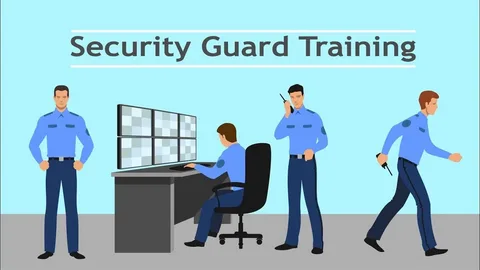
A secure facility thrives on consistency, and visitor management sets the tone the moment someone steps on-site. Buildings that welcome vendors, guests, and service teams rely on structured systems backed by trained personnel—not guesswork. Security guard services keep these processes functional, predictable, and aligned with modern business security standards.
Structured Entry Checkpoints Guiding Orderly Visitor Intake
Entry checkpoints serve as the first control layer where guards regulate movement and create order before anyone reaches sensitive areas. A checkpoint may include barriers, podium stations, or controlled vestibules that guide guests toward the correct intake area. The structure of this space limits bypass attempts and encourages guests to follow the intended path without confusion.
Security personnel use these checkpoints to screen initial behavior, verify arrival intent, and identify potential red flags long before guests mix with the workforce. This early oversight helps maintain a safe environment while reinforcing consistent rules for anyone entering the facility.
Credential Vetting Systems Confirming Identity Legitimacy
Verification starts with physical IDs, but professional guards go further than simply glancing at a badge or license. They check expiration dates, compare photos to the visitor, validate appointment details, and confirm arrival with internal contacts. These steps reduce the risk of false representation, which is one of the most common threats to business security.
Facilities with higher risk levels may integrate digital scanning tools, visitor databases, or authentication software to support guards during the vetting process. This combination of human judgment and system accuracy prevents unauthorized individuals from slipping through busy entry points.
Tiered Access Zones Directing Controlled Movement
Not every guest should gain access to the same areas, and security guard services use tiered access levels to enforce this. Zones are mapped according to operational sensitivity—public spaces, semi-secure work areas, and restricted sectors. Guards assign the appropriate tier based on the visitor’s role and purpose.
These zones maintain order throughout the building by keeping unnecessary movement to a minimum. Tiered control also helps teams detect anomalies quickly, since a visitor out of bounds becomes noticeable the moment they step into an unauthorized zone.
Badge Issuance Flows Supporting Traceable Site Entry
Visitors receive temporary badges after verification, allowing guards to track who enters, at what time, and for what reason. The issuance process is structured so badges correspond with approvals given during intake. Guards ensure each guest understands the importance of wearing the badge visibly.
This traceable flow creates a clear activity record that helps teams identify patterns, confirm attendance, or review access during audits. Without these detailed badge systems, facilities lose the ability to confirm visitor movement or verify accountability.
Distinct Badge Formats Distinguishing Visitor Classifications
Badges aren’t one-size-fits-all. Guards apply different badge colors, symbols, or label styles to separate categories such as contractors, short-term guests, delivery personnel, or escorted visitors. These distinctions allow security teams and employees to recognize a visitor’s clearance level instantly.
This visual differentiation reduces confusion and limits the chances of someone blending into a group they don’t belong to. Businesses benefit from smoother internal monitoring because staff can quickly spot anyone wearing the wrong badge for a specific area.
On-site Log Maintenance Preserving Accurate Guest Records
Logs—whether digital or handwritten—capture essential data like arrival times, departure times, contact details, badge numbers, and escort information. Security guard services maintain these logs carefully, understanding their importance during investigations or compliance reviews.
Detailed recordkeeping supports businesses that operate under strict regulatory environments or require accountability for all visitors. Logs also allow guards to confirm whether previous guests returned equipment, followed exit protocols, or overstayed their approved visit window.
Badge Return Procedures Upholding Exit Accountability
Guests returning their badges on exit ensures the record is complete and prevents unauthorized reuse. Guards collect the badge, log the departure, and confirm the individual has fully exited the property. This accountability step closes the loop on the visitor’s stay.
Returned badges also help facilities maintain inventory control, preventing missing badges from becoming false access points in the future. A simple return process contributes to strong internal security practices.
Incident-aware Screening Reinforcing Safety Expectations
Visitors may show signs of heightened stress, agitation, or suspicious behavior. Guards trained in incident-awareness observe posture, tone, movement patterns, and verbal cues to identify potential problems early. Their screening adjusts accordingly, providing a proactive layer of business security.
If concerns arise, guards may delay entry, involve supervisors, or escalate verification measures. This flexible approach protects the workplace while maintaining professionalism with guests who pass screening appropriately.
Continuous Oversight Ensuring Badge Compliance Throughout Visits
Supervision continues after entry. Guards observe hallways, checkpoints, and work areas to ensure visitors keep badges visible and remain within their approved zones. This continuous oversight prevents unauthorized wandering and reduces potential security breaches.
Real-time monitoring allows guards to respond quickly if a visitor loses a badge, enters the wrong area, or violates facility rules. Trident Solutions provides security guard services that support detailed badge protocols and strong visitor control measures for facilities that require dependable on-site oversight.
