

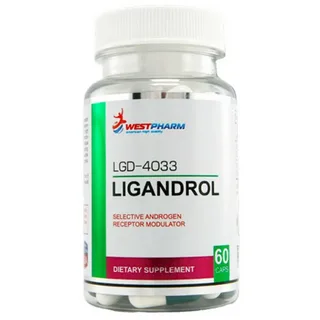
Selective Androgen Receptor Modulators (SARMs) have gained immense popularity in the fitness and bodybuilding communities. Among them, Ligandrol stands out due to its reputed ability to promote muscle growth and enhance physical performance. However, with increasing use, a pressing question arises: Is Ligandrol safe? What science says about this popular SARM is crucial for anyone considering its use.
What is Ligandrol?
Ligandrol, also known by its chemical name LGD-4033, is a SARM that selectively targets androgen receptors in muscle and bone tissues. Unlike anabolic steroids, SARMs like Ligandrol aim to offer the muscle-building benefits without many of the harmful side effects typically associated with steroids. This selectivity has made Ligandrol a preferred choice among athletes and bodybuilders.
Is Ligandrol Safe? Understanding the Scientific Perspective
The safety profile of Ligandrol is still a topic of ongoing research. Initial clinical trials, primarily focused on patients with muscle-wasting diseases, showed promising results with minimal adverse effects. For example, a study published in The Journal of Clinical Endocrinology & Metabolism demonstrated that Ligandrol increased lean muscle mass in healthy men over a 21-day period with no serious side effects reported.
However, it’s important to note that the long-term safety of Ligandrol remains unclear. Most studies have been short-term and conducted under controlled medical supervision, which may differ significantly from recreational use by bodybuilders.
Potential Side Effects and Risks
Despite its selective action, Ligandrol is not without risks. Some users report side effects such as:
- Testosterone suppression
- Mild liver enzyme elevation
- Fatigue and headaches
- Hormonal imbalances
These effects highlight why many experts urge caution. The question Is ligandrol safe? What science says about this popular SARM shows that while the compound might be safer than steroids in some ways, it is not risk-free, especially when used in high doses or for extended periods.
Regulatory Status and Recommendations
Ligandrol is not approved by the FDA for human consumption outside of clinical trials. It is often sold as a research chemical, which raises concerns about product quality, purity, and dosage accuracy. Furthermore, its use is banned in most professional sports organizations.
Given the uncertainties, the best advice is to approach Ligandrol with caution, consult healthcare professionals before use, and consider safer, proven alternatives for muscle growth.
Conclusion
In summary, the question Is Ligandrol safe? What science says about this popular SARM remains partly answered. Current scientific evidence suggests that Ligandrol can be effective for muscle building with fewer side effects than anabolic steroids, but long-term safety data is lacking. Anyone considering Ligandrol should weigh the potential benefits against the possible risks and legal implications.
